Free Worksheets for 3-Year-Olds to Print
These printable worksheets for 3-year-olds focus on early literacy, math, fine motor, and thinking skills. Children practice letter recognition, colors, shapes, counting, matching, tracing, cutting, and simple patterns through short, focused activities.
Activities include alphabet worksheets, shape and color activities, counting worksheets, tracing practice, matching games, mazes, coloring pages, and scissor skills printables. Ideal for preschool, daycare, learning centers, homeschool lessons, and extra practice at home.
Get Your Free Preschool
Printable Pack
Join the email list and receive 5 free preschool worksheets (PDF).
You’ll also receive themed and skills-based printable worksheets each month.
Browse Worksheets by Skills
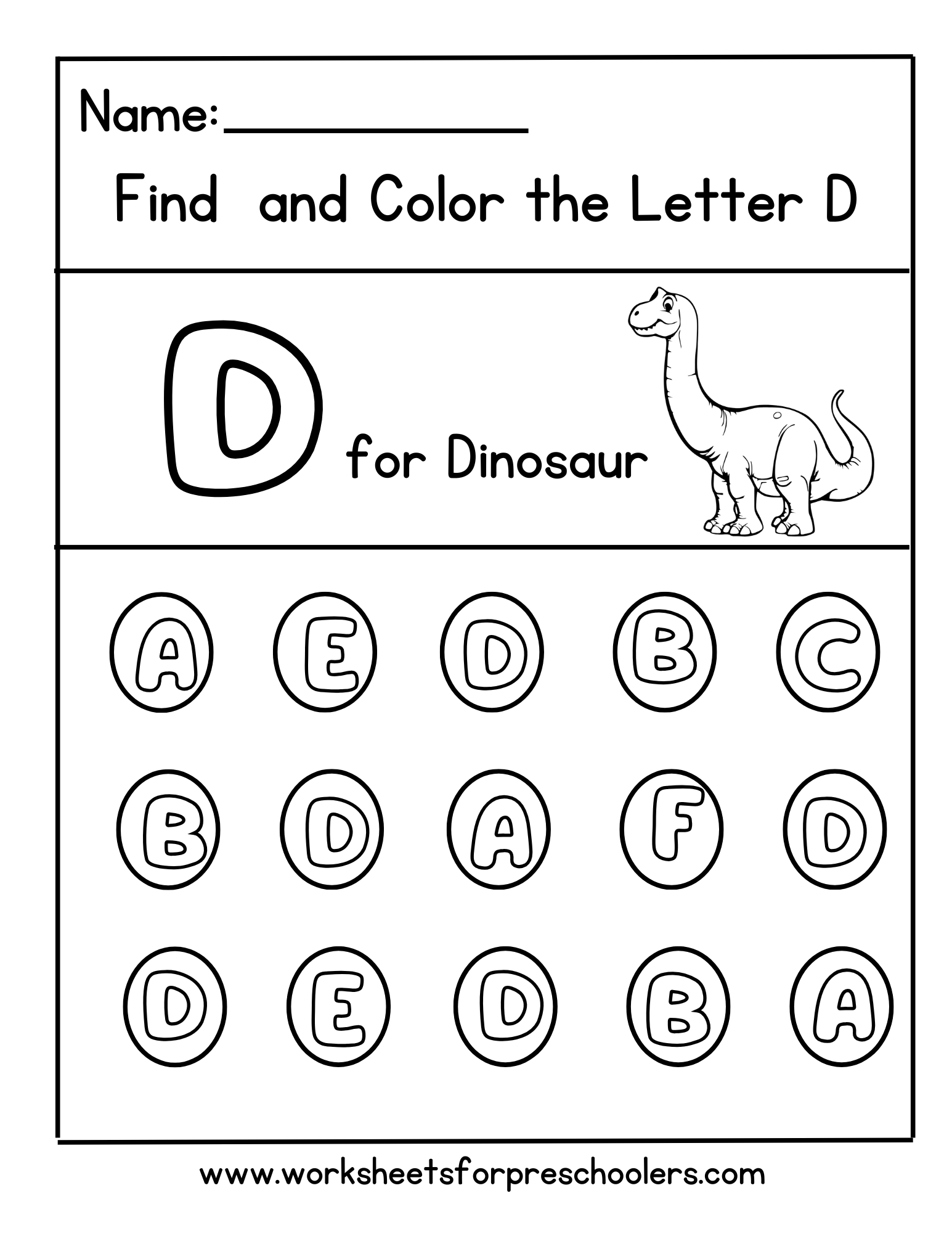
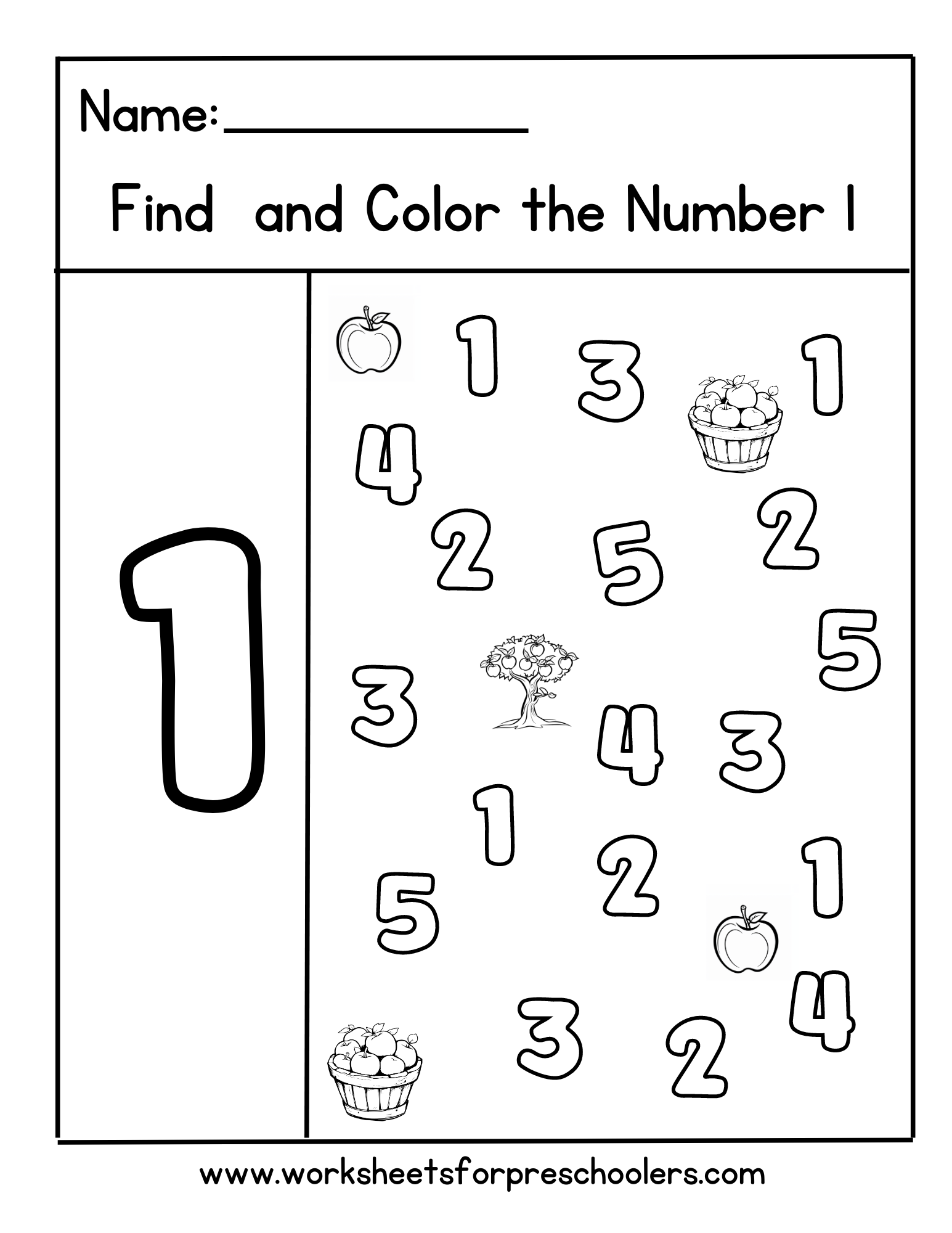


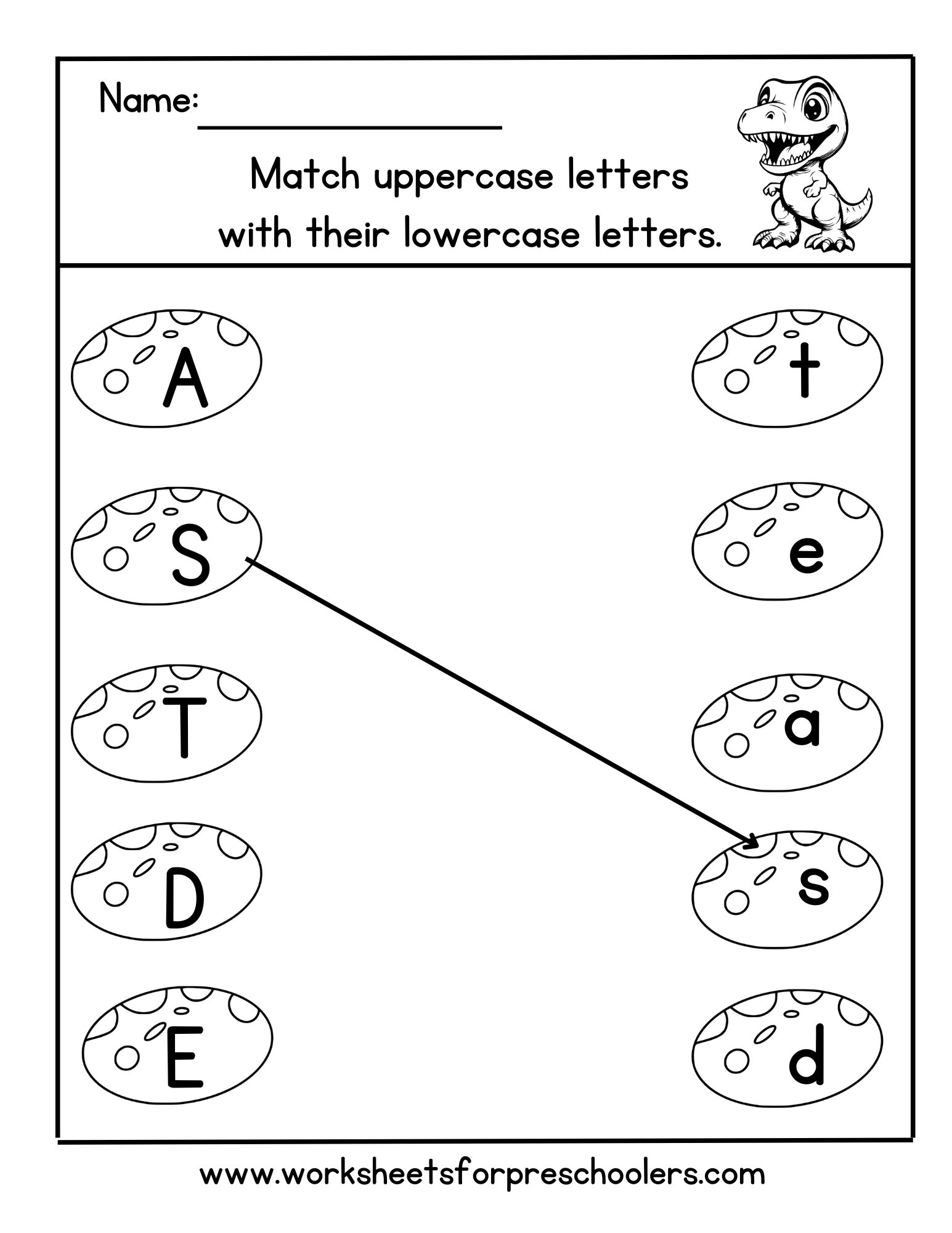
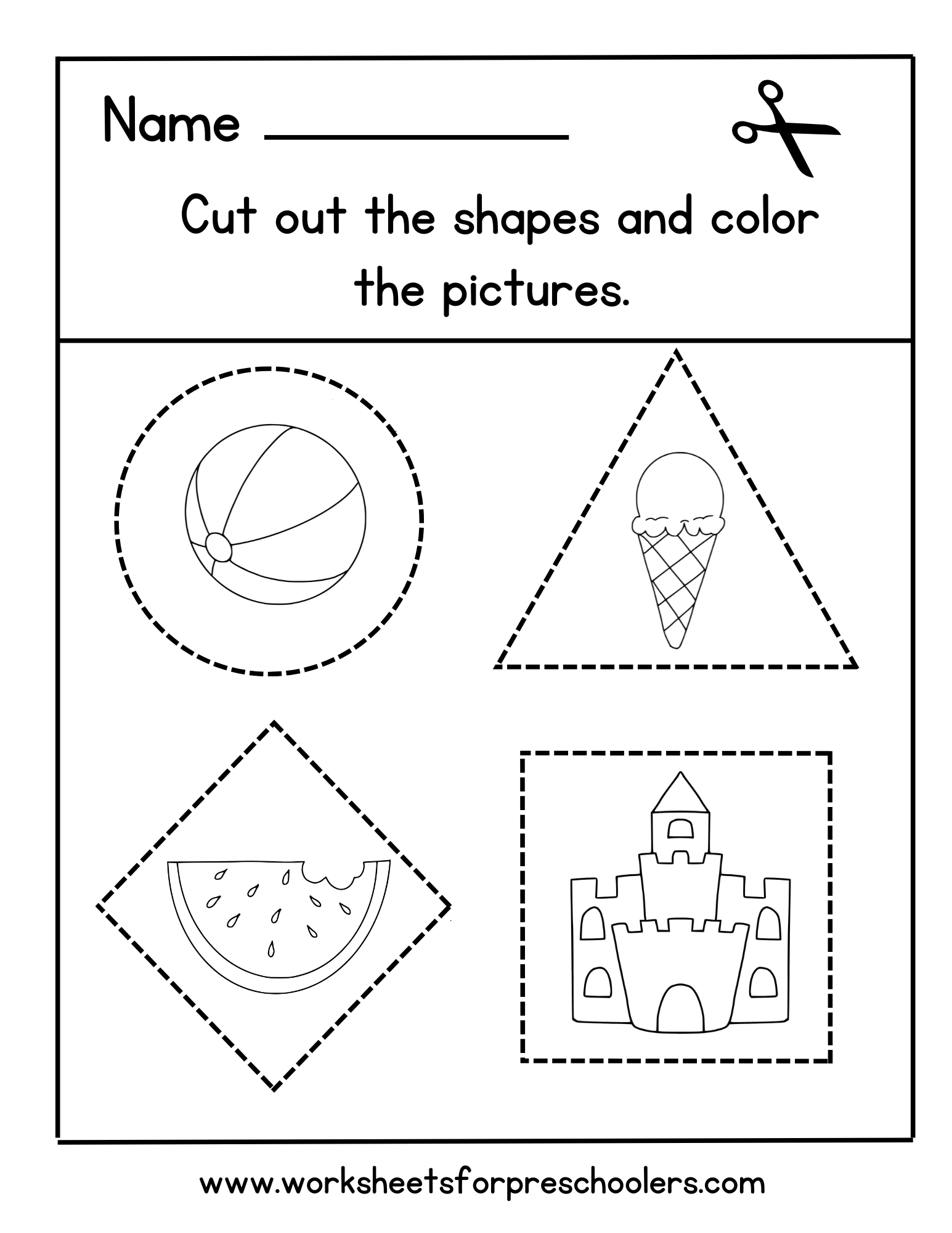
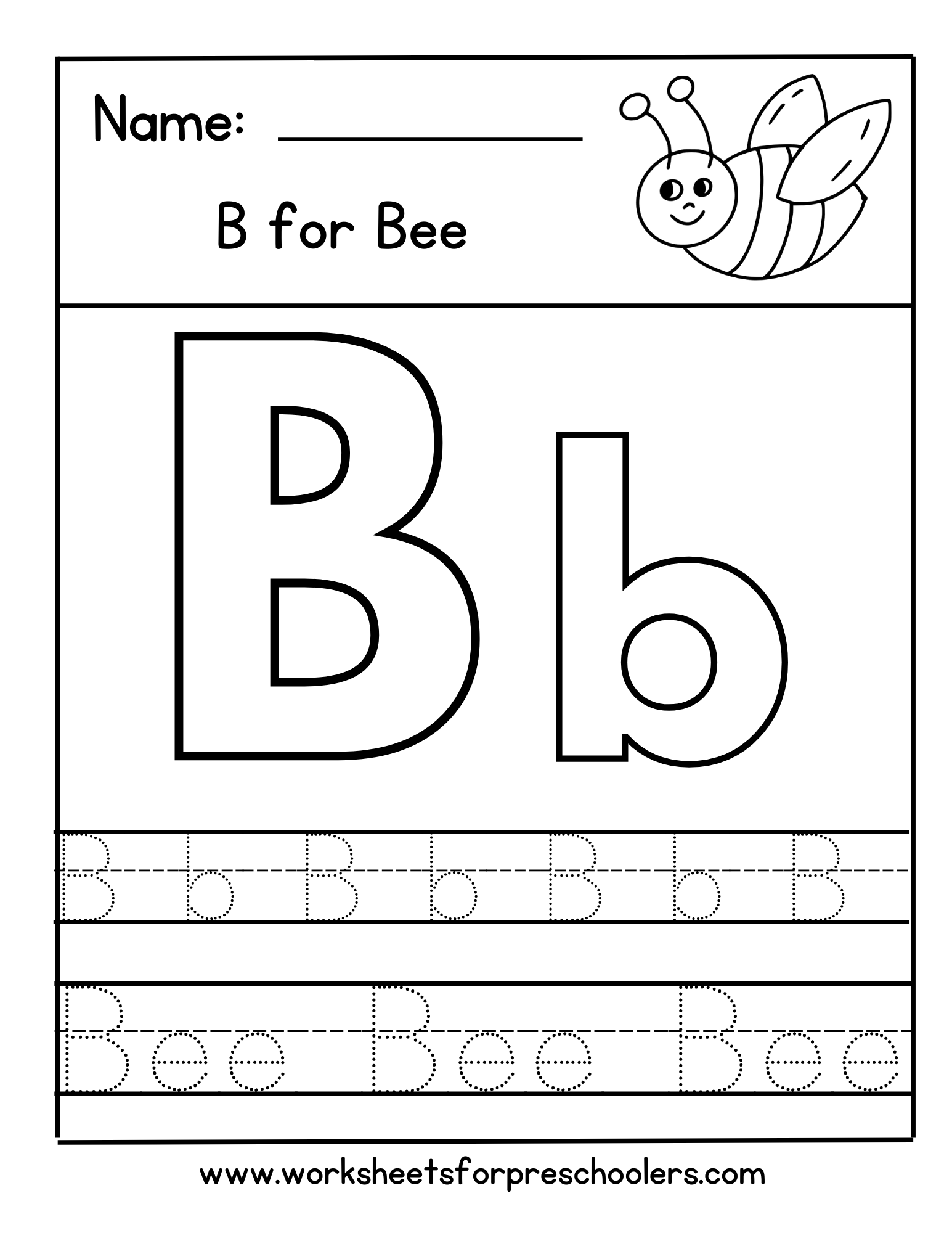
Literacy Worksheets for 3-Year-Olds
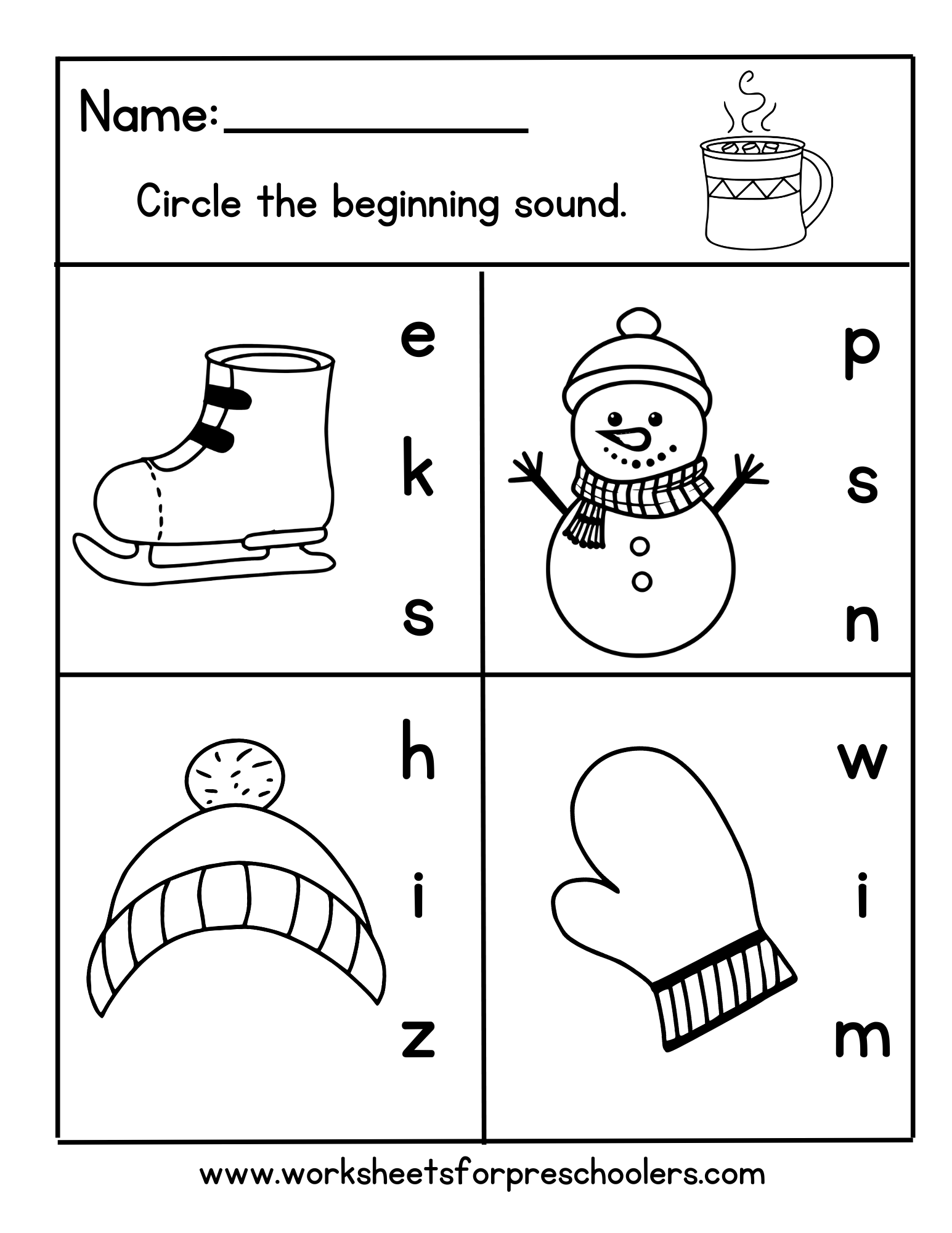
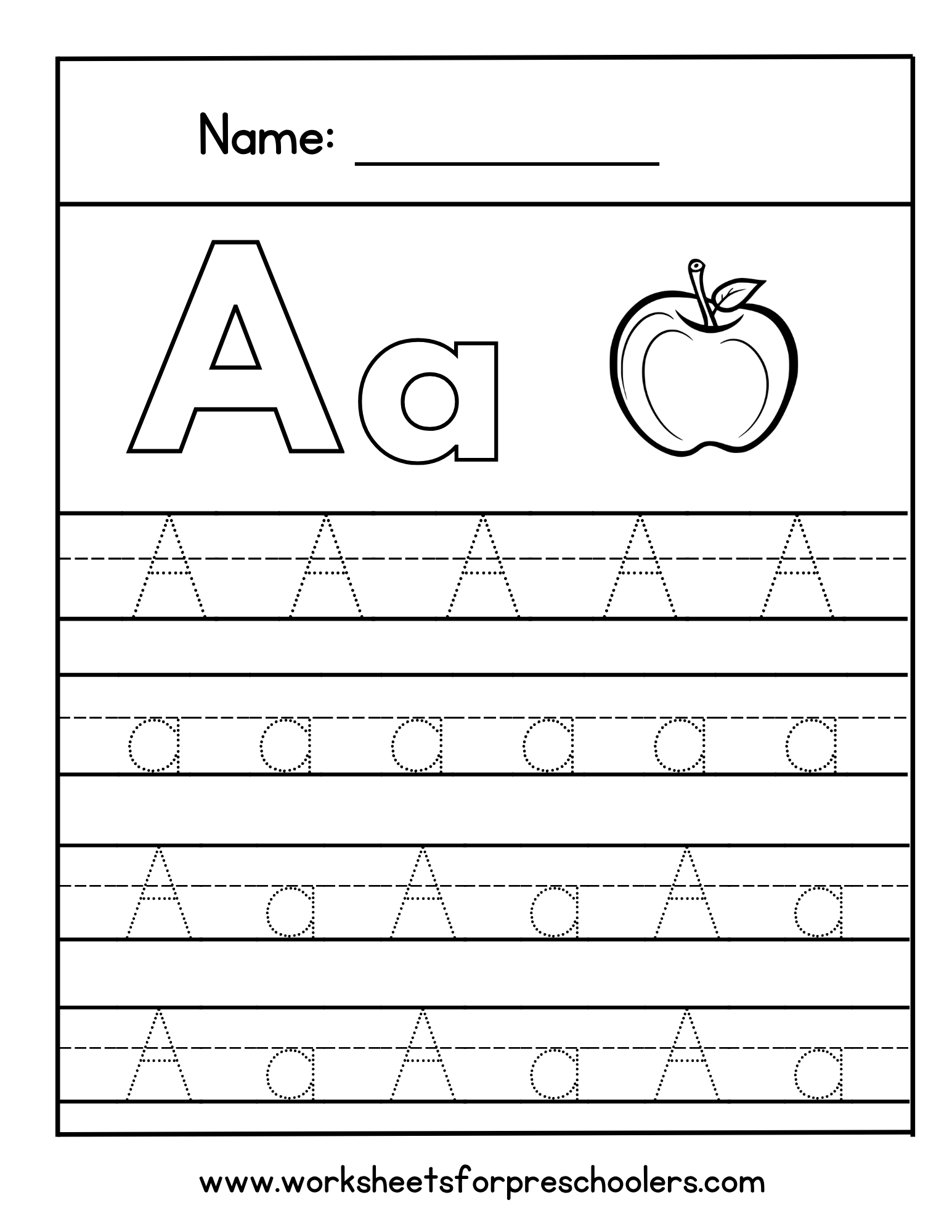
Literacy worksheets focus on early letter recognition, picture matching, and simple letter tracing. Children practice identifying uppercase letters, matching pictures to letters, and recognizing familiar alphabet shapes through short, focused activities. Ideal for preschool, daycare, learning centers, homeschool lessons, and extra practice at home.
View More Literacy Worksheets→
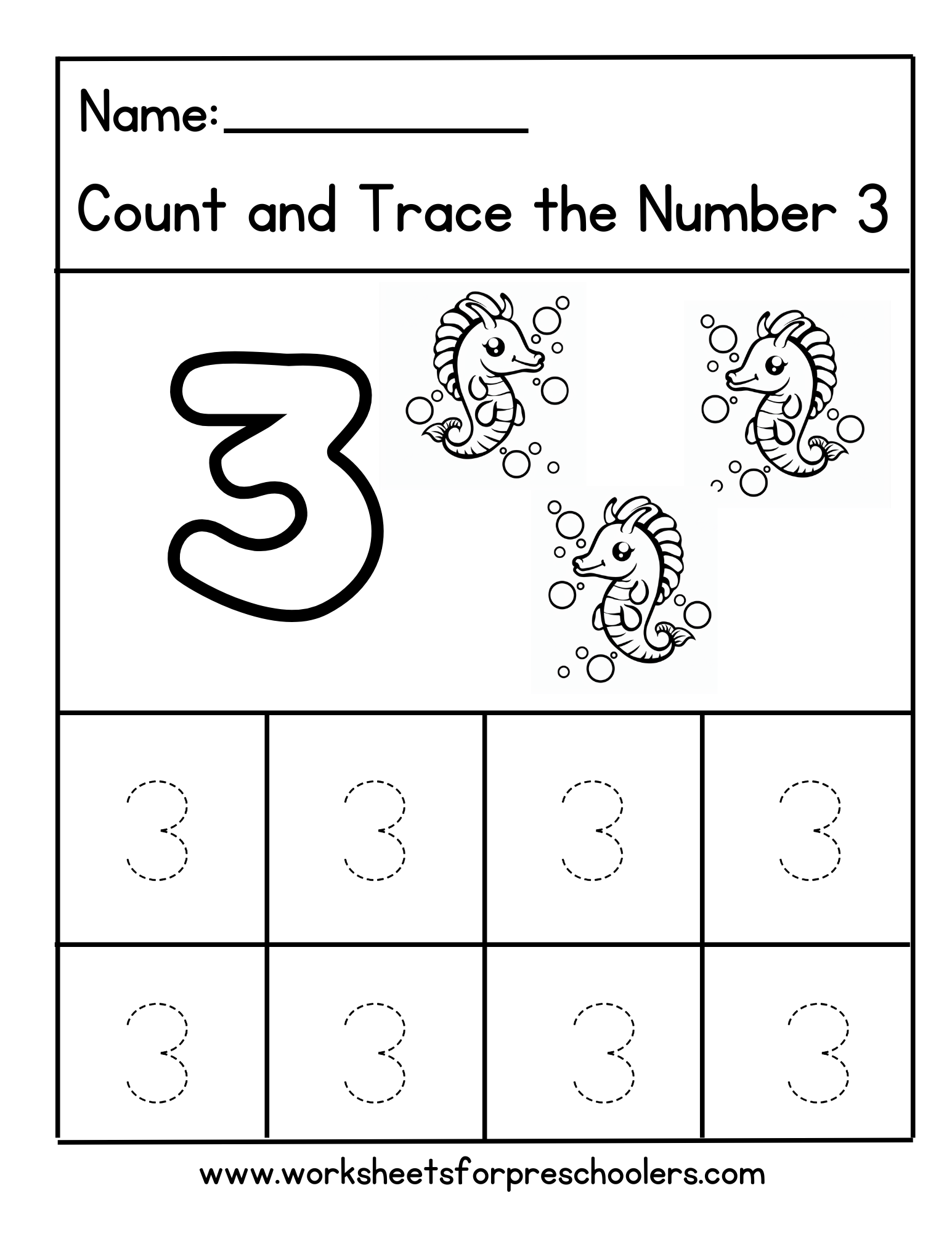
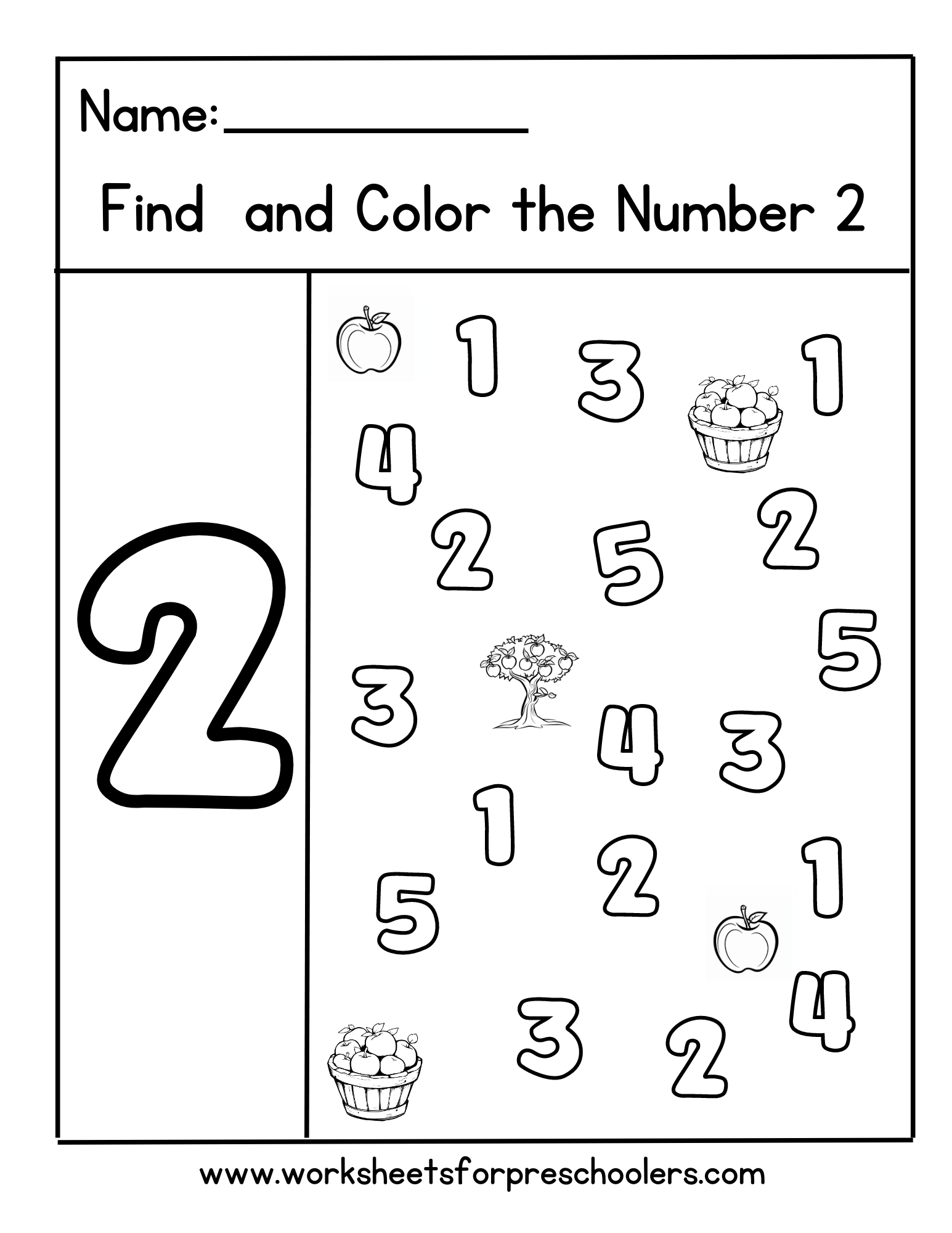
Math Worksheets for 3-Year-Olds
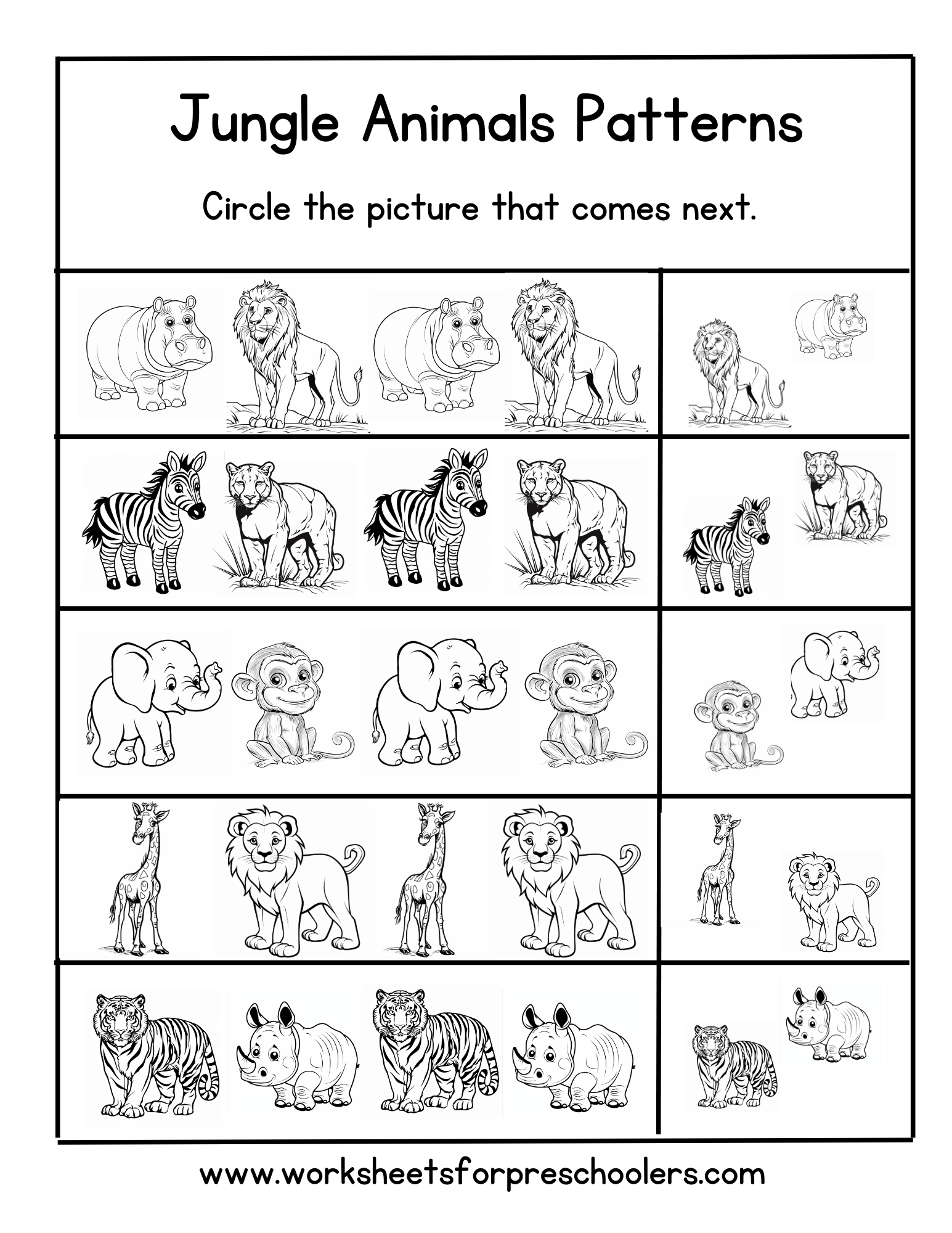
Math worksheets focus on counting, number recognition, colors, shapes, and simple patterns. Children practice counting objects, recognizing numbers, matching quantities, identifying basic shapes, and completing easy pattern activities through hands-on practice.
Fine Motor Worksheets for 3-Year-Olds
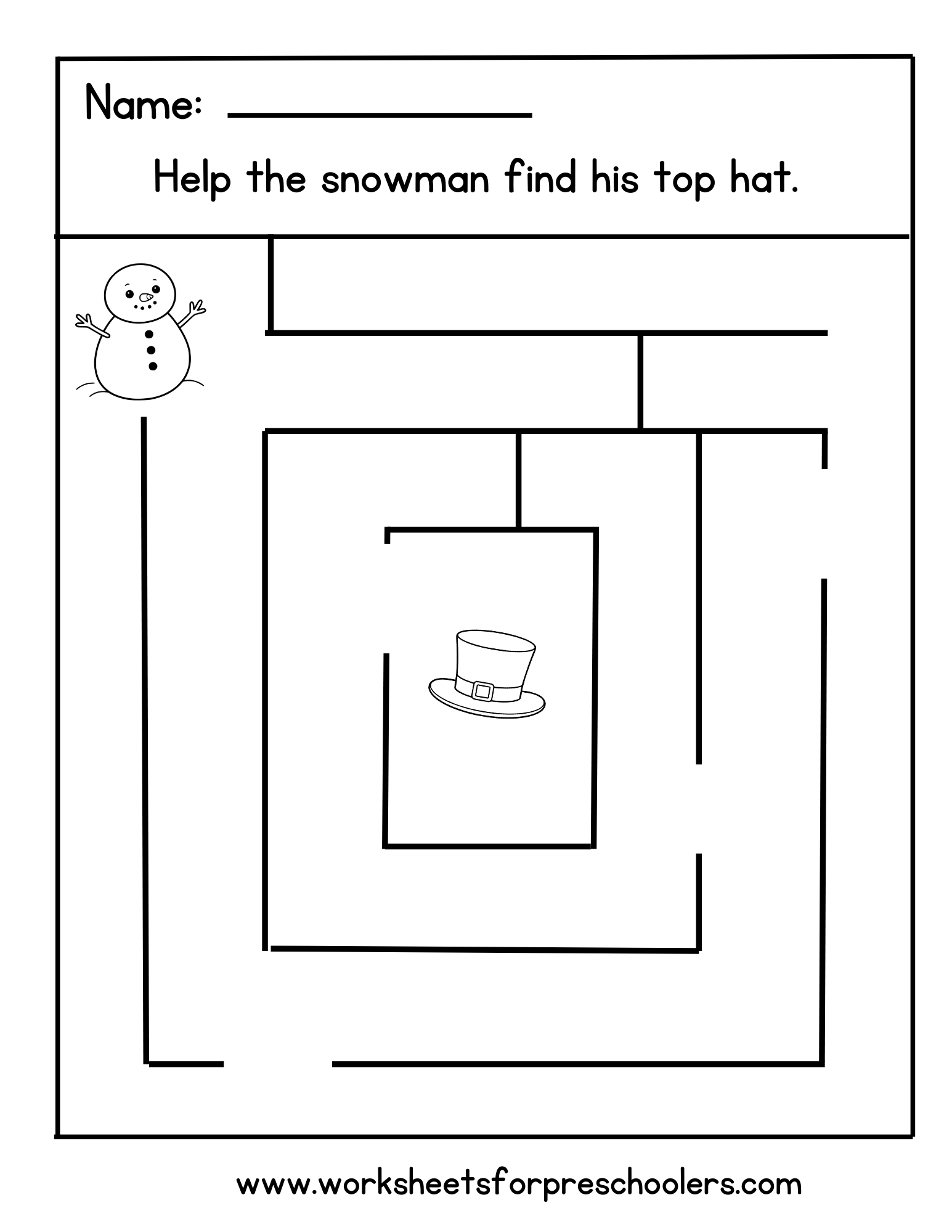
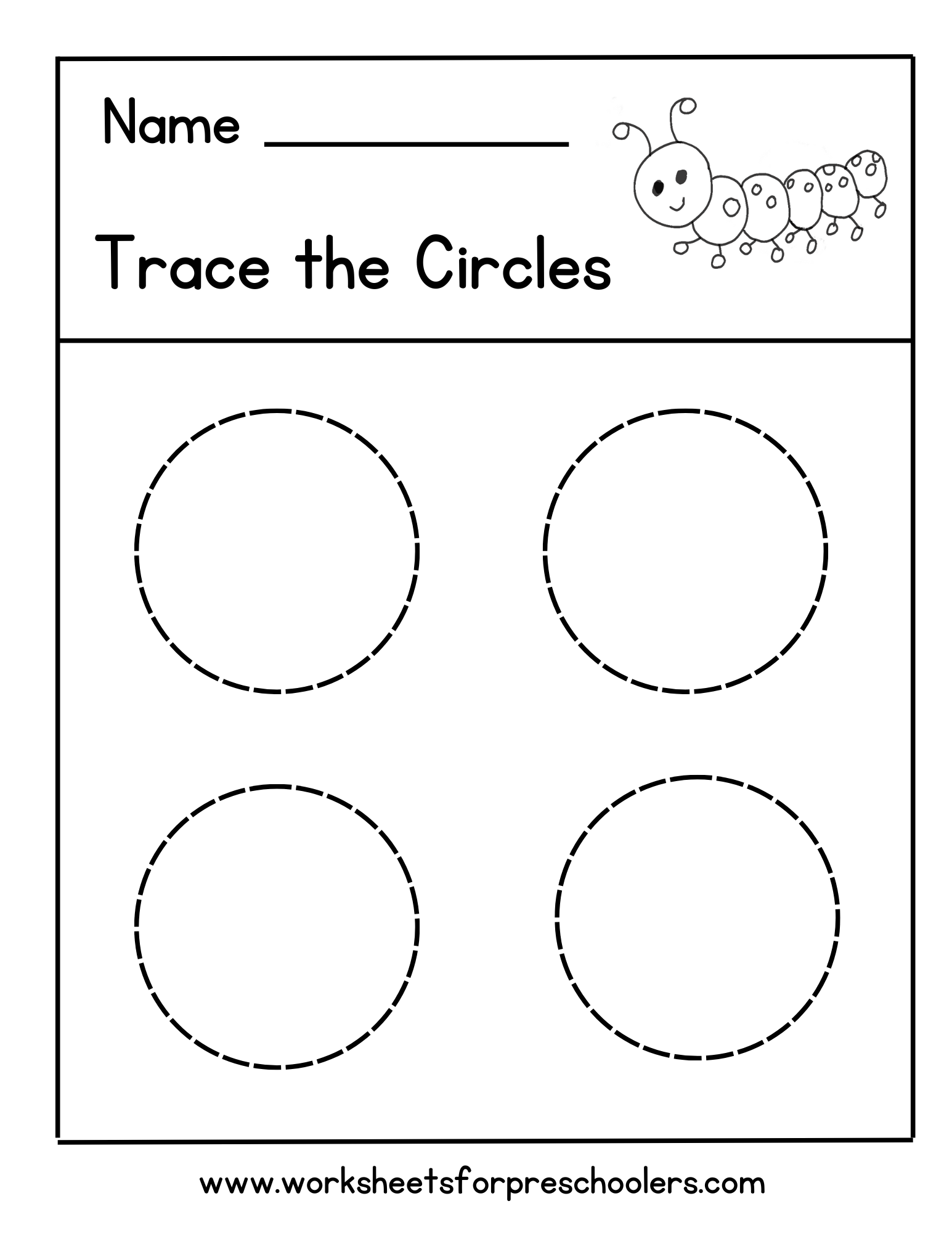
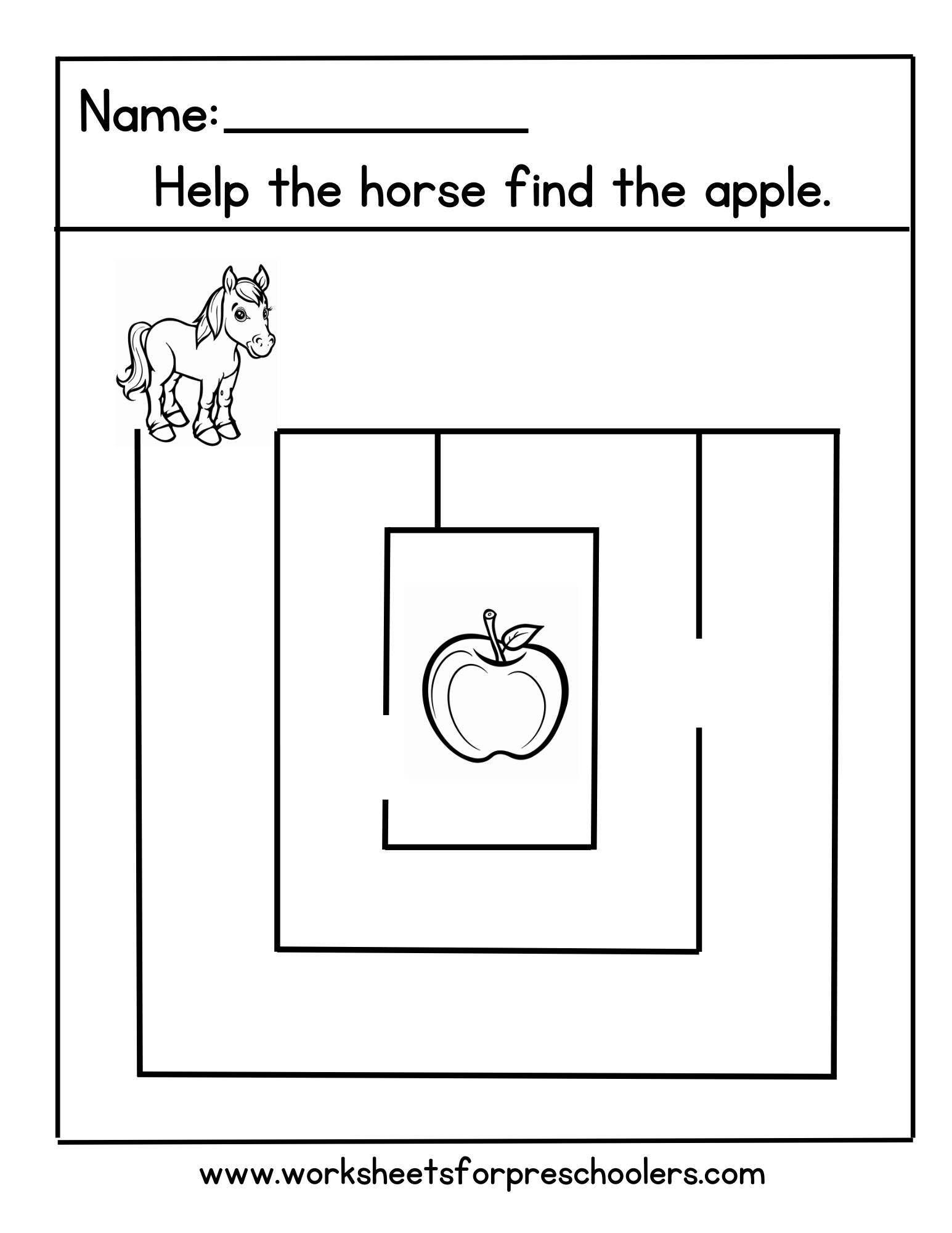
Fine motor worksheets focus on pencil control, hand coordination, and pre-writing skills. Children practice tracing lines, following paths, completing simple mazes, cutting with scissors, and strengthening the hand muscles used for writing.
View More Fine Motor Worksheets→
What 3-Year-Olds Typically Learn
Many 3-year-olds practice recognizing colors, identifying basic shapes, counting small groups of objects, matching pictures, tracing simple lines, and strengthening fine motor skills through hands-on activities. Children develop these skills at different rates, so worksheet practice should match individual readiness.
Worksheets reinforce early literacy, math, fine motor, and thinking skills when combined with reading, counting everyday objects, drawing, building, and other hands-on activities. Short, focused practice sessions help children repeat one skill at a time before moving to more advanced activities.
Skill Progression for 3-Year-Olds
Three-year-olds develop skills at different rates. Some children begin recognizing letters and numbers, while others continue practicing colors, shapes, matching, and simple line tracing. Choosing worksheets based on skill readiness helps children practice at an appropriate level.
Many 3-year-olds practice identifying colors, recognizing shapes, counting to five, matching pictures, tracing straight and curved lines, and strengthening pencil control through simple fine motor activities. Each worksheet focuses on one skill at a time, allowing children to practice through short, focused sessions.
Choose worksheets based on demonstrated skills rather than age alone. If a child completes activities confidently, introduce the next skill. If additional practice is needed, continue with foundational worksheets before moving to more advanced activities.
Frequently Asked Questions About Worksheets for 3-Year-Olds
What skills should a 3-year-old practice with worksheets?
Many 3-year-olds practice colors, shapes, matching, counting, line tracing, letter recognition, and simple cutting skills. Worksheets focus on one skill at a time, allowing children to repeat and reinforce each concept through short practice sessions.
How long should a 3-year-old work on worksheets?
Short practice sessions of 5–10 minutes are often effective. Focusing on one activity at a time helps children maintain attention and practice skills without becoming overwhelmed.
Are worksheets appropriate for 3-year-olds?
Worksheets are useful for practicing early literacy, math, fine motor, and thinking skills. They work best alongside hands-on activities such as reading, building, drawing, sorting, and counting everyday objects.
Should a 3-year-old know the alphabet?
Many 3-year-olds begin recognizing some uppercase letters and may identify letters in their own name. Others continue practicing colors, shapes, and matching before focusing on the full alphabet. Worksheets should match the child's current skill level.
How do I choose the right worksheet level?
Choose worksheets based on the skills a child is ready to practice rather than age alone. If a child completes activities confidently, introduce the next skill. If additional practice is needed, continue with foundational worksheets before moving to more advanced activities.
Related Worksheets
- Alphabet Worksheets
- Phonics Worksheets
- CVC Word Worksheets
- Counting Worksheets
- Fine Motor Worksheets
- Coloring Pages
Themed-Based Worksheets
Continue worksheet practice with activities from other preschool themes. These printable worksheets include counting, tracing, matching, and coloring tasks using familiar pictures and theme-based images.
Ocean Animals Worksheets
Summer Worksheets
At The Beach Worksheets
Camping Worksheets
Sign up to get your FREE 5-page Preschool Core Skills PDF + monthly themed worksheets
Ready-to-use literacy, math, and fine motor activities for preschool and Pre-K.
✔ Easy to use in centers or at home
✔ No prep needed
✔ Builds early literacy, math, and fine motor skills
✔ Perfect for preschool and Pre-K learners