Free Preschool Worksheets (Printable)
Printable preschool worksheets support early learning for children ages 3 to 5 as they prepare for kindergarten. These activities focus on key skills such as letter recognition, beginning sounds, counting, number recognition, fine motor development, and early writing.
Children practice identifying letters, matching sounds, counting objects, tracing lines and shapes, and forming simple letters and numbers. Worksheets are organized by skill and topic, making it easy for teachers and parents to choose activities based on current learning goals.
These printables are designed for short, focused practice sessions. They work well for math and literacy centers, small group instruction, or independent work. Parents can also use them at home for extra practice or to support weekly themes.
Preschool is an important time for building early literacy and math skills. Regular practice helps children recognize letters, understand sounds, count with confidence, and begin writing. These activities also strengthen fine motor skills needed for writing.
These worksheets are best used alongside hands-on learning, books, and everyday experiences. They provide meaningful practice while still supporting a play-based approach to early learning.
Get Your Free Preschool Printable Pack
Join the email list to receive a free
Preschool Printable Pack (PDF).
You will also receive themed printable
worksheets each month.
Preschool Worksheets by Skill
Preschool Literacy Worksheets
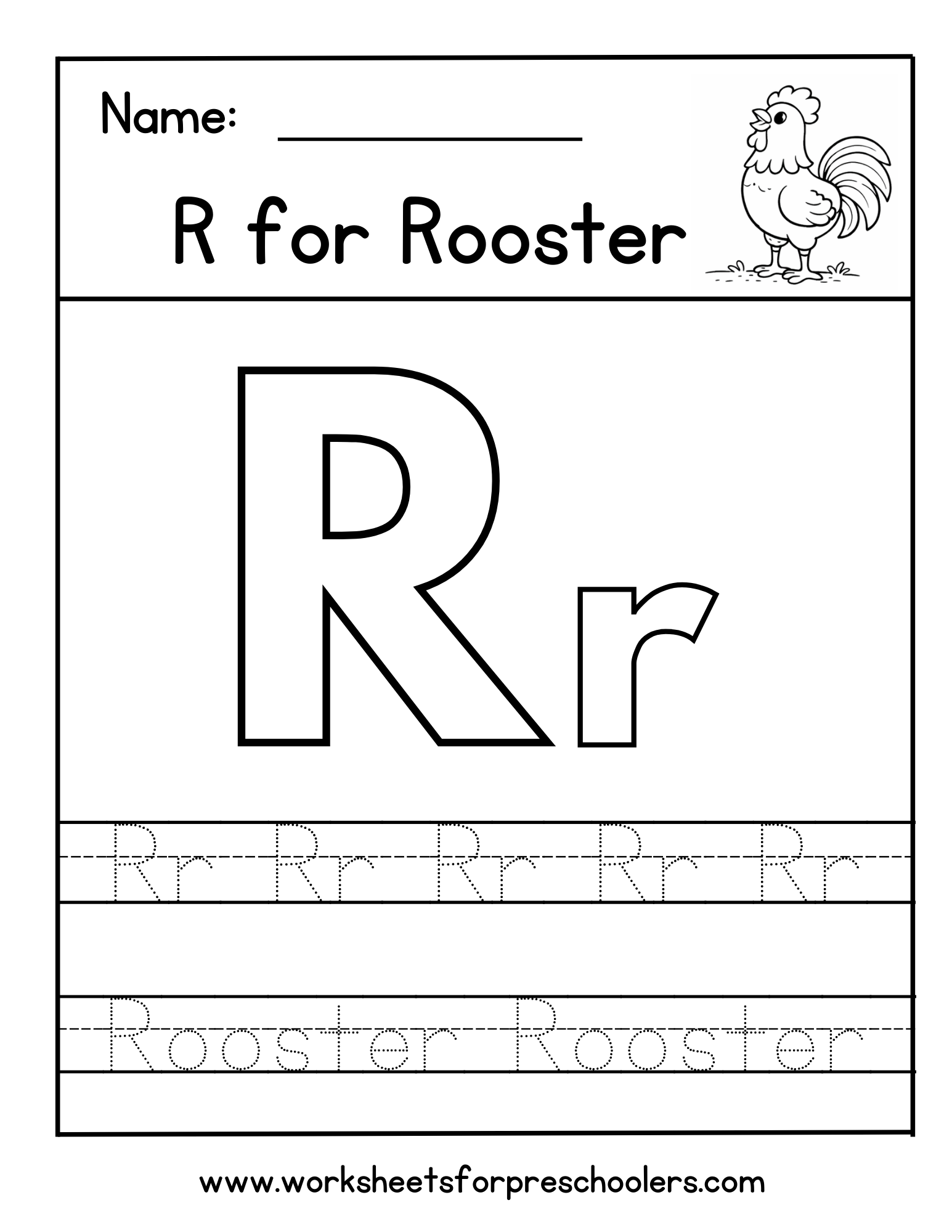
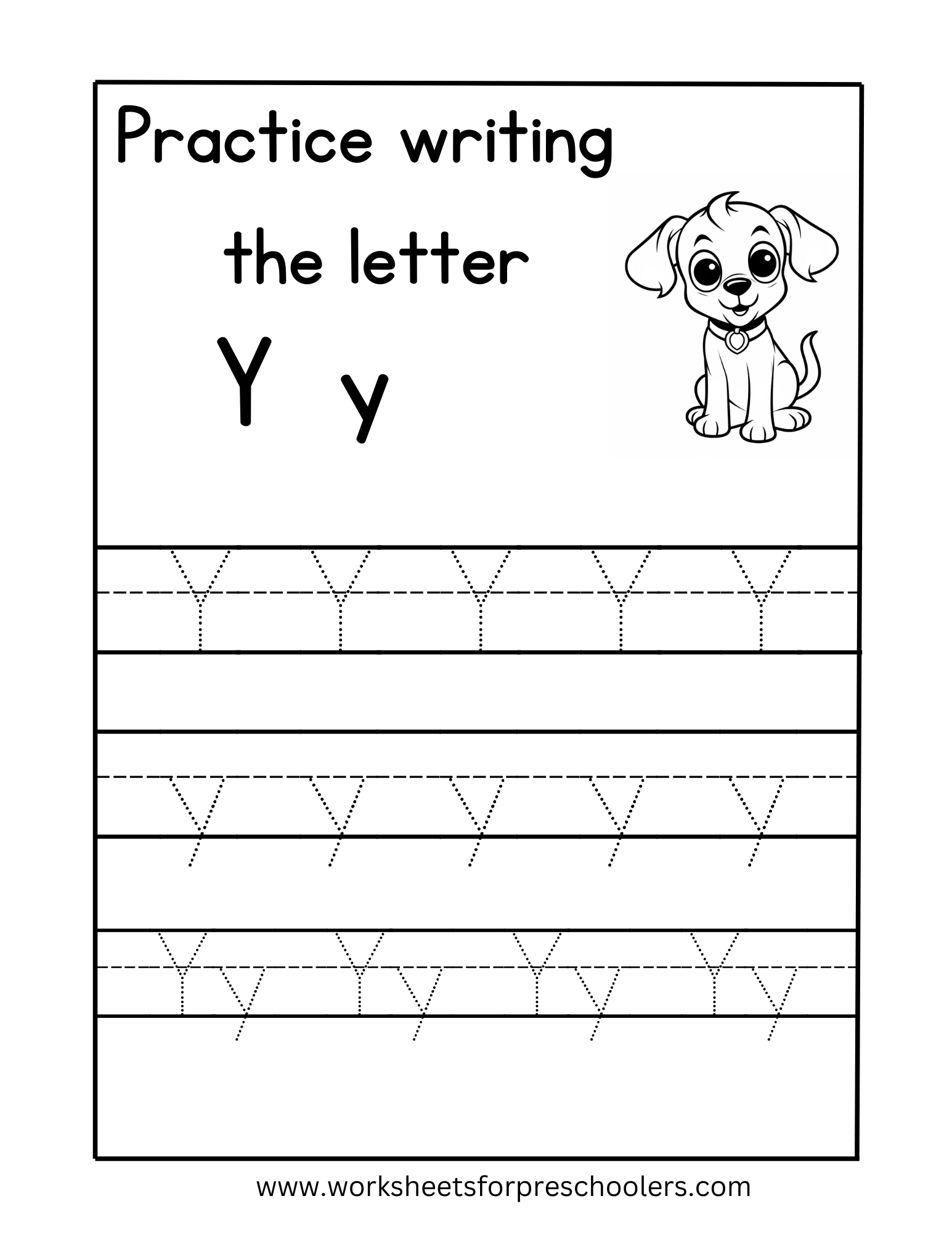
Early literacy skills begin to develop during the preschool years as children learn how letters and sounds work together. Before reading independently, children practice recognizing letters, identifying beginning sounds, and developing the fine motor control needed for early writing.
These printable literacy worksheets include activities such as identifying uppercase and lowercase letters, tracing letters, matching beginning sounds, and recognizing simple sight words. Many worksheets also connect letters to familiar objects to support sound recognition and early word learning.
These printables are ideal for literacy centers, small group instruction, morning work, or short practice sessions at home. Teachers and parents can select individual letter worksheets or themed activities based on current learning goals.
Preschool Math Worksheets
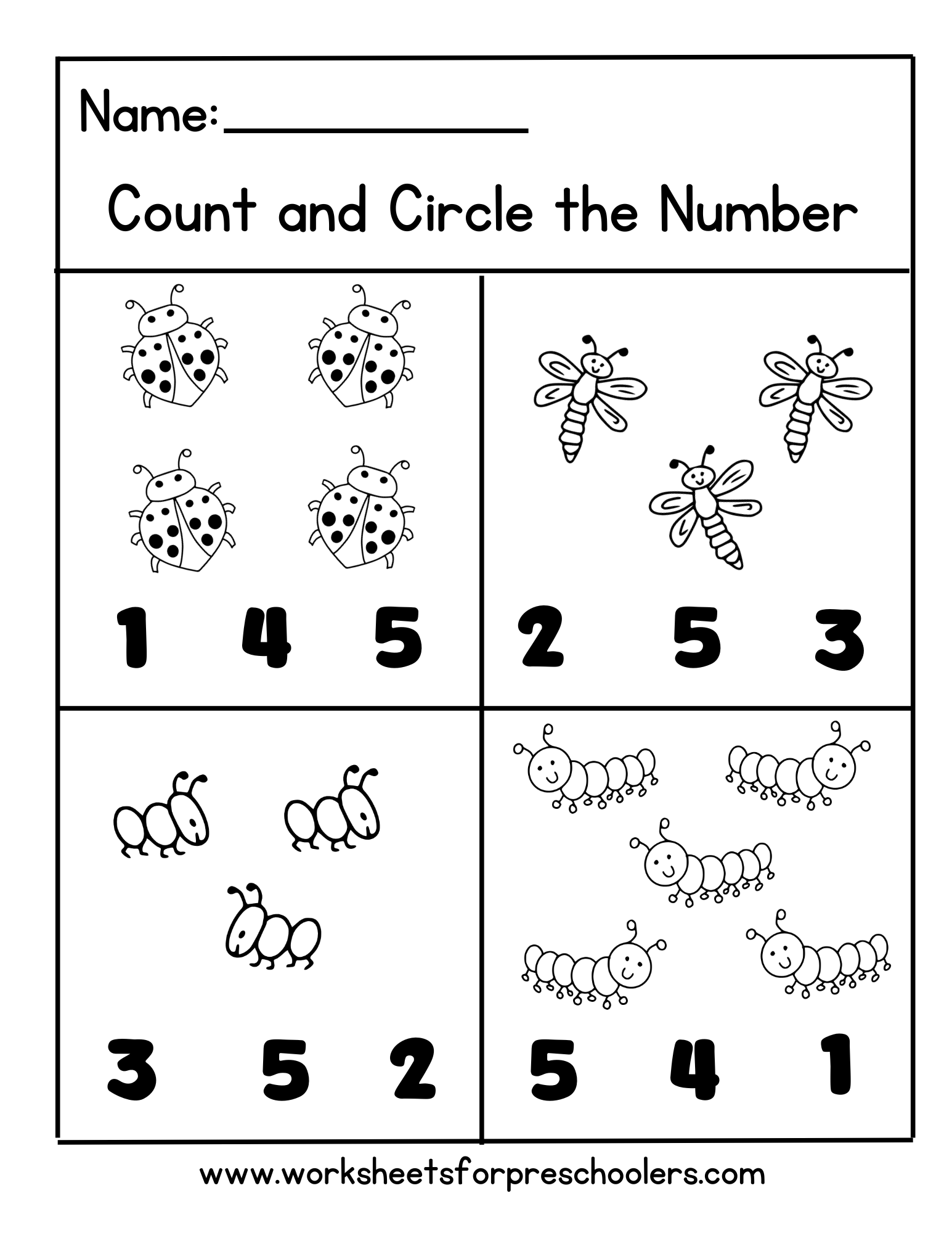
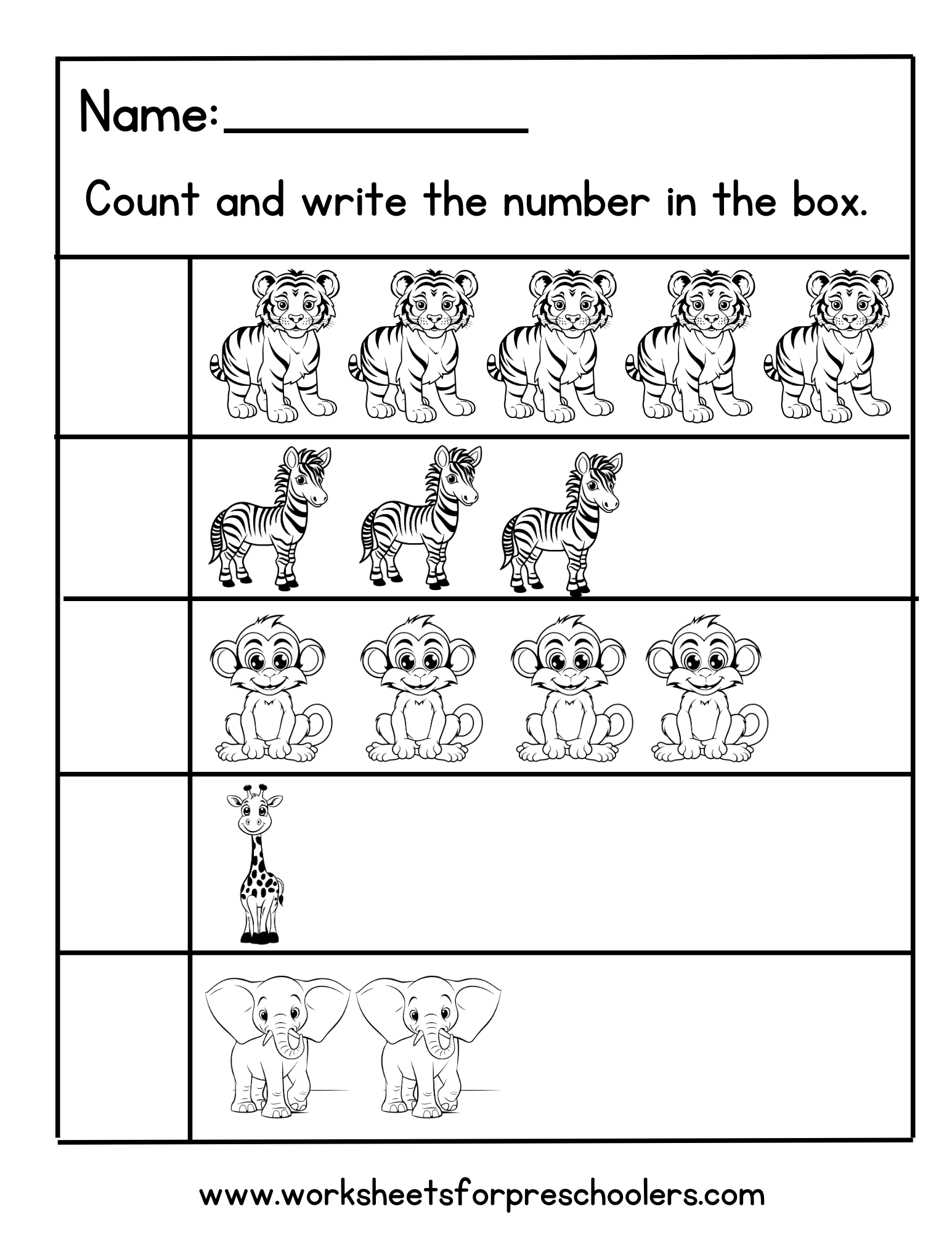
Early math skills begin to develop during the preschool years as children learn to recognize numbers, count objects, and understand simple concepts. Through hands-on practice, children build confidence with counting, number recognition, patterns, and basic problem-solving.
These printable math worksheets include activities such as counting, number tracing, number recognition, matching, and simple patterns. Many worksheets also combine math practice with fine motor activities like coloring, tracing, and cutting.
These printables are ideal for math centers, small group instruction, morning work, or short practice sessions at home. Teachers and parents can choose activities based on skill level, topic, or current lessons.
Preschool Fine Motor Worksheets
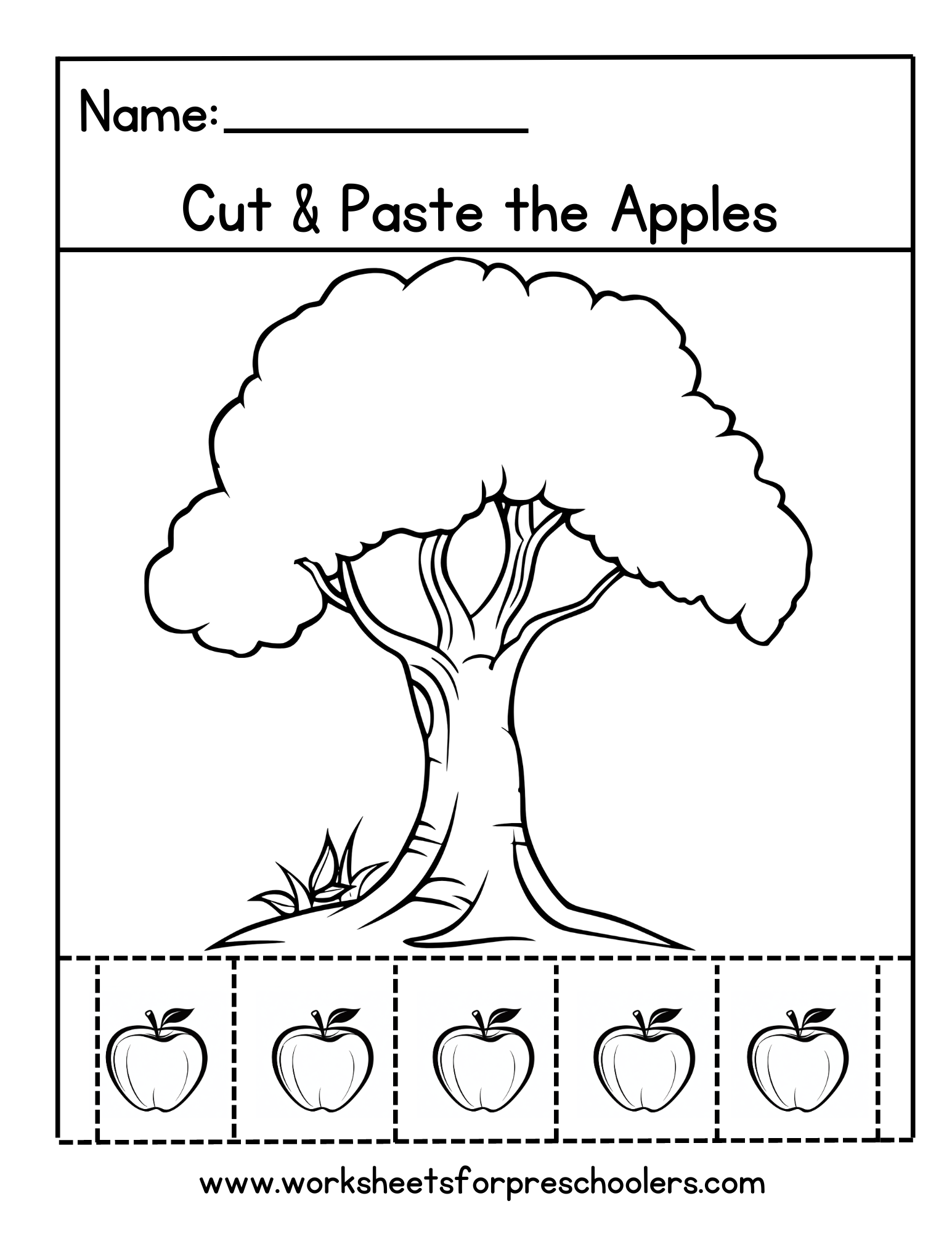
Fine motor skills develop during the preschool years as children strengthen the small muscles needed for writing and everyday tasks. Activities that involve tracing, cutting, and controlled movements help build coordination and hand strength.
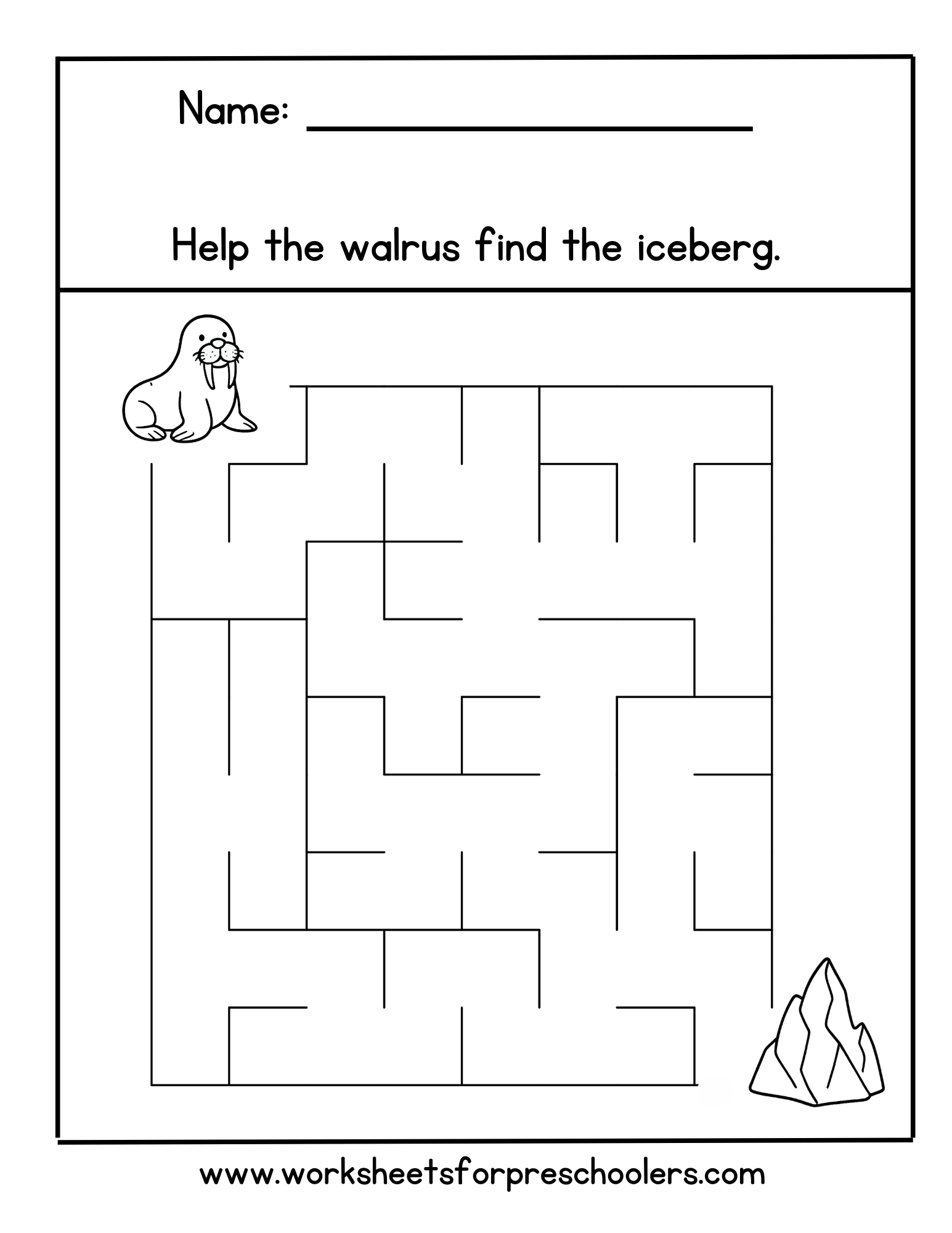
These printable fine motor worksheets include activities such as tracing lines, cutting practice, simple mazes, and pencil control exercises. Many worksheets are designed to be engaging while supporting skill development.
These printables are perfect for centers, small group work, quiet time, or short practice sessions at home. Teachers and parents can select activities based on skill level or specific fine motor goals.
Preschool Coloring Pages
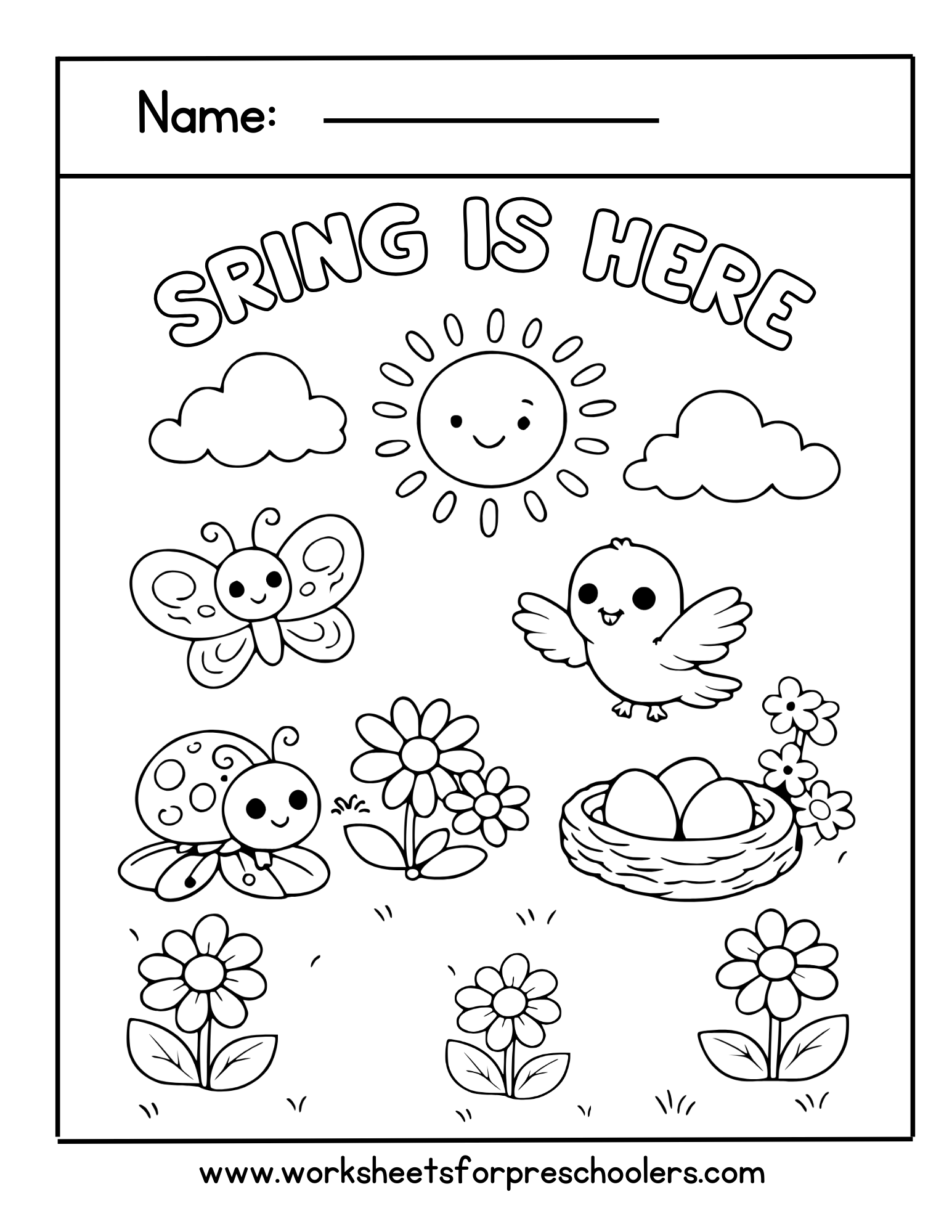
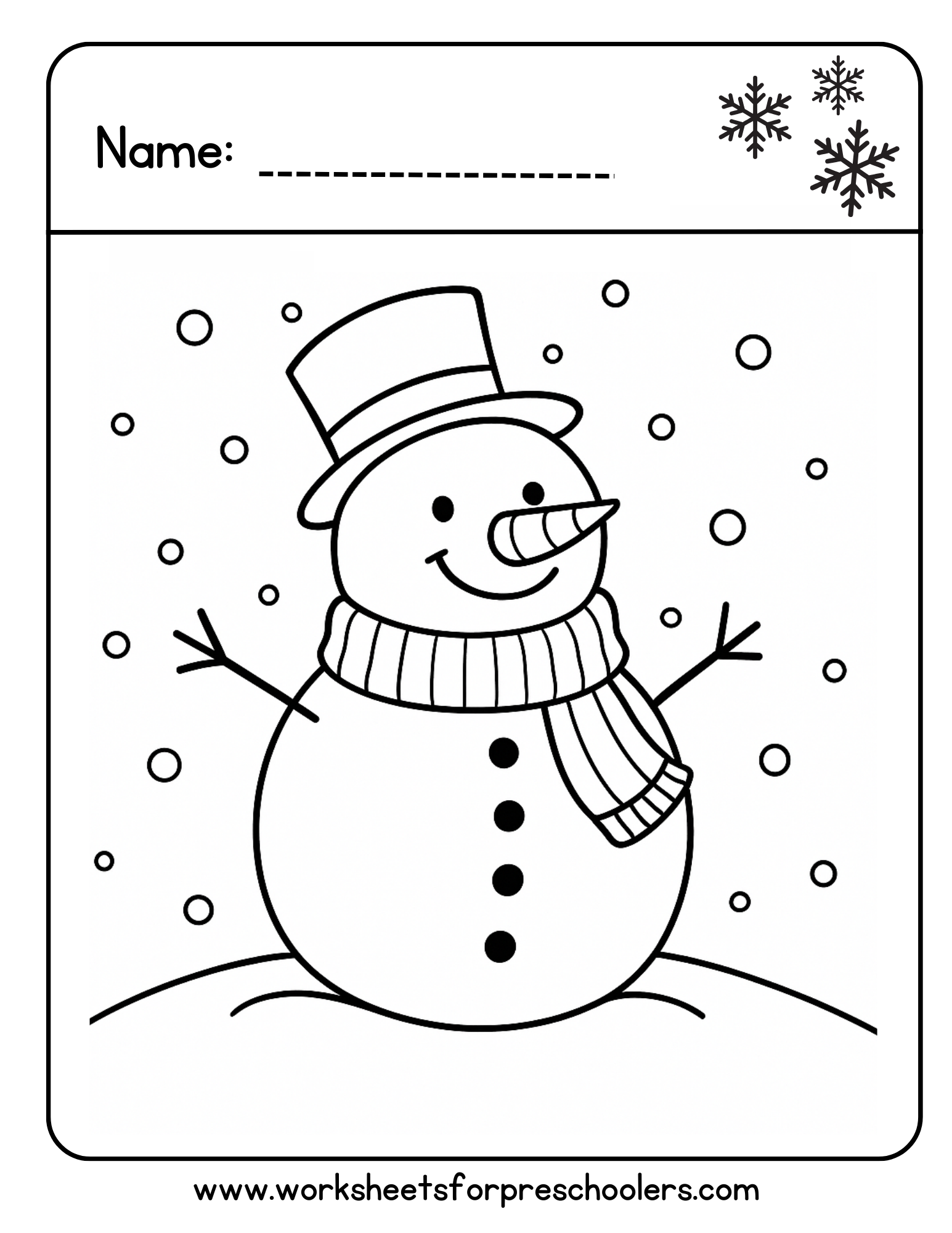
Coloring activities support early development by helping children practice fine motor control, focus, and creativity. As children color, they strengthen hand muscles and improve coordination needed for writing.
These printable coloring pages include a variety of simple and themed designs that are easy for preschoolers to complete. Many pages also support early learning by reinforcing shapes, numbers, letters, or familiar objects.
These printables are great for quiet time, centers, early finishers, or at-home activities. Teachers and parents can use them to support learning while giving children a fun and relaxing activity.
Preschool Worksheets by Age
Children develop at different rates during the preschool years, so worksheets should match each child’s current skill level. Activities for younger children focus on fine motor practice and simple recognition skills, while older preschoolers begin working on letter recognition, beginning sounds, number recognition, and early writing.
The sections below organize worksheets by age, making it easy for teachers and parents to choose activities based on what children are ready to practice.
Worksheets for 3-Year-Olds
Worksheets for 3-year-olds focus on basic skills such as color recognition, identifying shapes, counting from 1 to 5, tracing straight lines, and holding a pencil.
Activities at this stage use simple visuals and short tasks. Many children need guidance when completing worksheets, especially when practicing cutting or tracing.
Worksheets for 4-Year-Olds
Four-year-olds begin working on letter recognition, beginning sounds, counting to 10 or higher, and identifying shapes. They also practice more structured fine motor activities such as tracing and controlled drawing.
Worksheets at this level are used for short practice sessions to repeat skills and prepare children for kindergarten activities.
Pre-K and Kindergarten Readiness Worksheets
Pre-K worksheets help children practice early reading, writing, and math skills before kindergarten. Activities include tracing uppercase and lowercase letters, recognizing numbers up to 20, completing simple patterns, sorting objects, and working with basic problem-solving tasks.
These worksheets are used for short practice sessions to repeat skills and prepare children for more structured classroom activities.
Frequently Asked Questions About Preschool Worksheets
What age should children start using preschool worksheets?
Most children can begin using simple worksheets around age 3, depending on their development. Activities at this stage focus on fine motor practice, shapes, colors, and simple counting. By ages 4 and 5, children work on letter recognition, beginning sounds, number recognition, and early writing. Choose worksheets based on skill level rather than age.
Are worksheets appropriate for preschoolers?
Worksheets can be used for short practice sessions to reinforce early learning skills. Preschool children learn through play, hands-on activities, and conversation. Worksheets are used to practice skills that have already been introduced through other activities.
How long should a preschooler work on worksheets each day?
Short practice sessions of 10–15 minutes work best. Focus on one skill at a time and stop before frustration. Regular short sessions are more effective than longer practice.
What skills should preschoolers master before kindergarten?
Children practice recognizing letters and sounds, counting and recognizing numbers, identifying shapes, completing simple patterns, and tracing lines or letters. These skills support early reading, writing, and math.
How can I make preschool worksheets more engaging?
Use worksheets with materials such as counting objects, letter tiles, crayons, or scissors. Pair worksheets with simple activities and use themed sets to keep children interested.
Related Worksheets
- Alphabet Worksheets
- Phonics Worksheets
- CVC Word Worksheets
- Counting Worksheets
- Fine Motor Worksheets
- Coloring Pages
Sign up to get your FREE 5-page Preschool Core Skills PDF + monthly themed worksheets
Ready-to-use literacy, math, and fine motor activities for preschool and Pre-K.
✔ Easy to use in centers or at home
✔ No prep needed
✔ Builds early literacy, math, and fine motor skills
✔ Perfect for preschool and Pre-K learners