Bugs Theme for Preschool and Kindergarten
These worksheets and activities focus on early skill development using a bug theme. Children practice math, literacy, language, and fine motor skills through simple, hands-on tasks.
Activities include counting with bugs, letter recognition, tracing paths, coloring, and basic crafts. Familiar bugs such as ladybugs, butterflies, bees, ants, and caterpillars are used across the pages to support recognition and consistency.
Working with a consistent theme allows children to build skills across different areas. Repeating the same images supports focus and helps reinforce each activity.
Designed for preschool and kindergarten use, these printables and activities are ideal for centers, small groups, or home practice. The materials include worksheets, crafts, drawing prompts, story starters, and a simple lesson plan that can be used over several days.
Get Your Free Preschool
Printable Pack
Join the email list and receive 5 free preschool worksheets (PDF).
You’ll also receive themed and skills-based printable worksheets each month.
Bug Worksheets
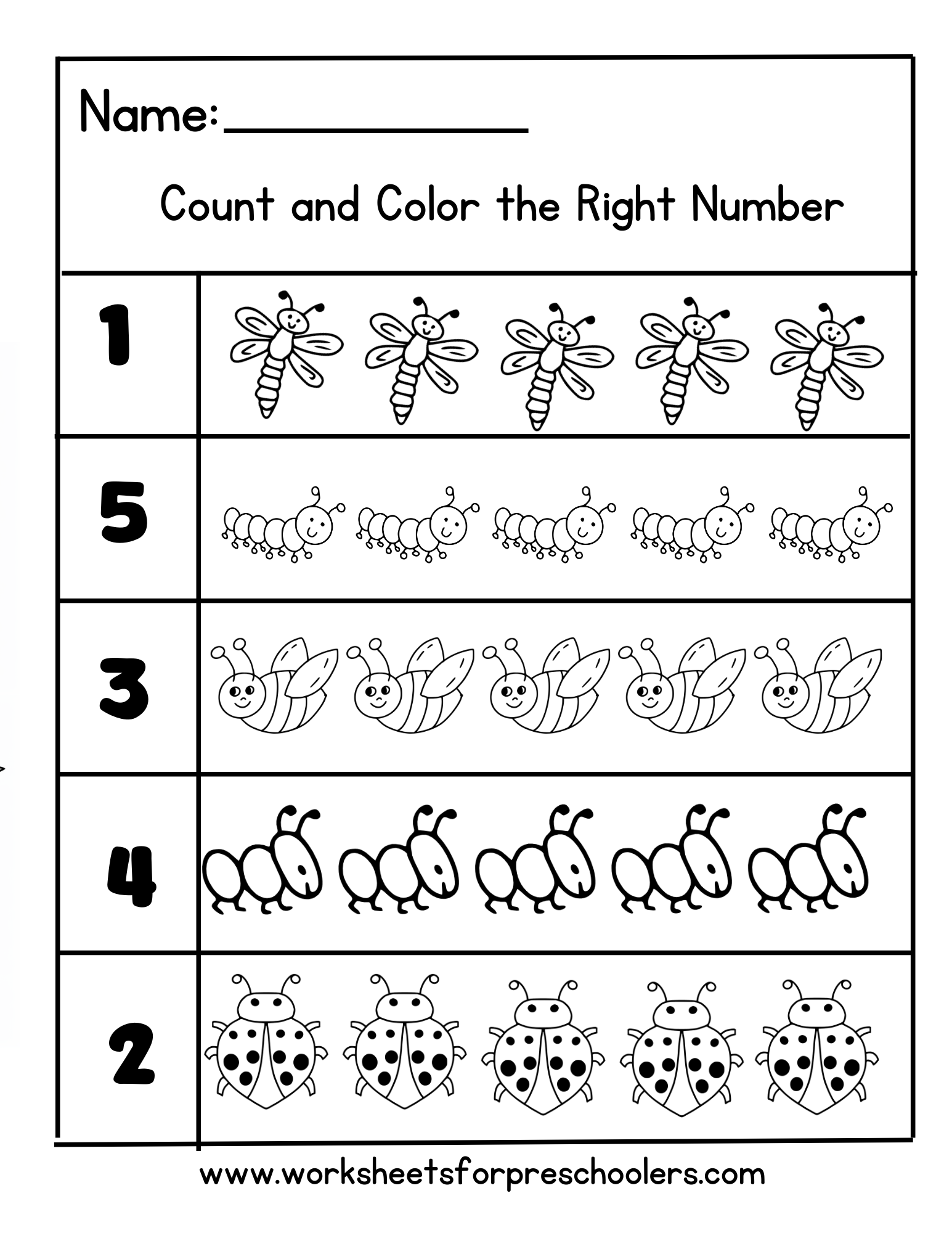
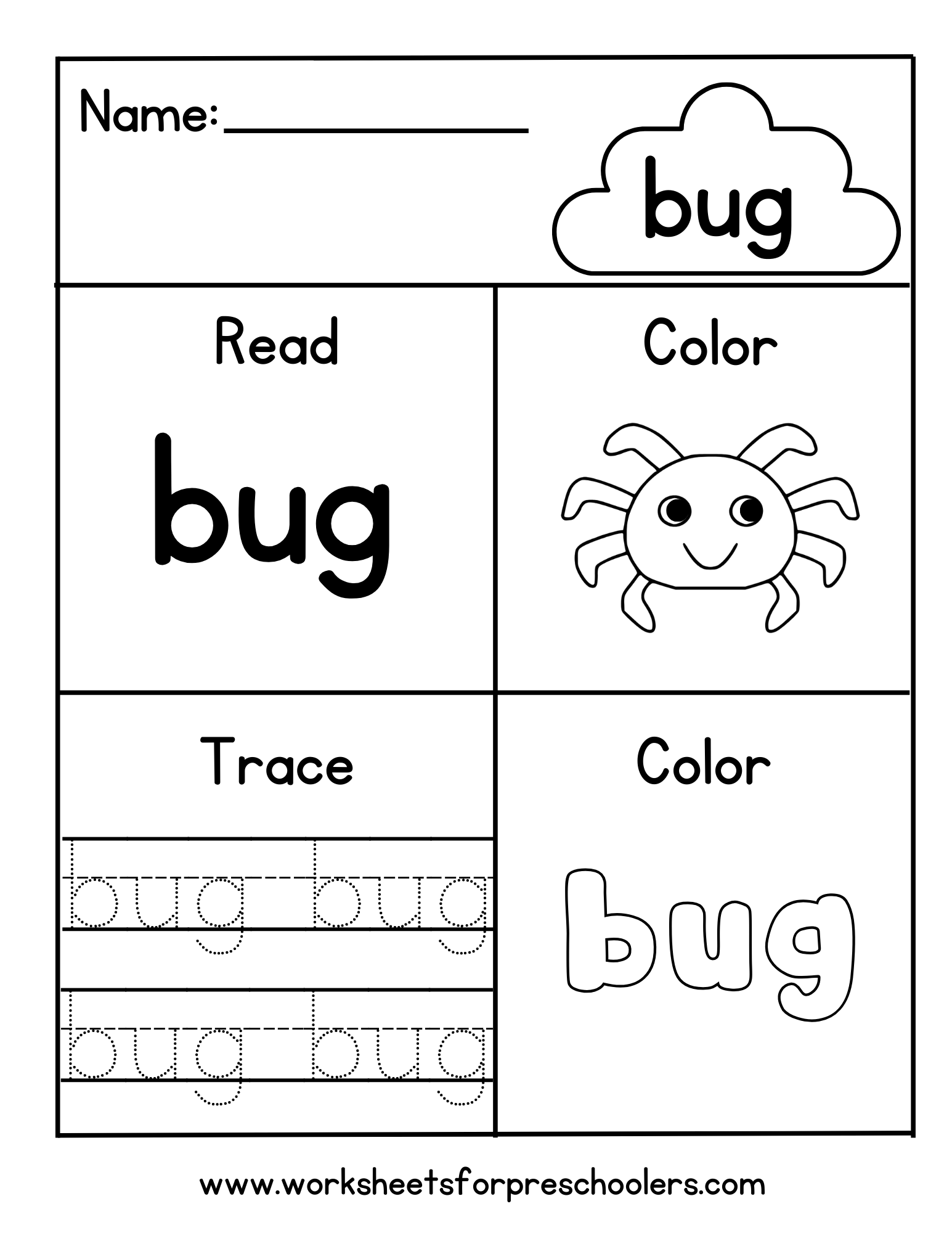
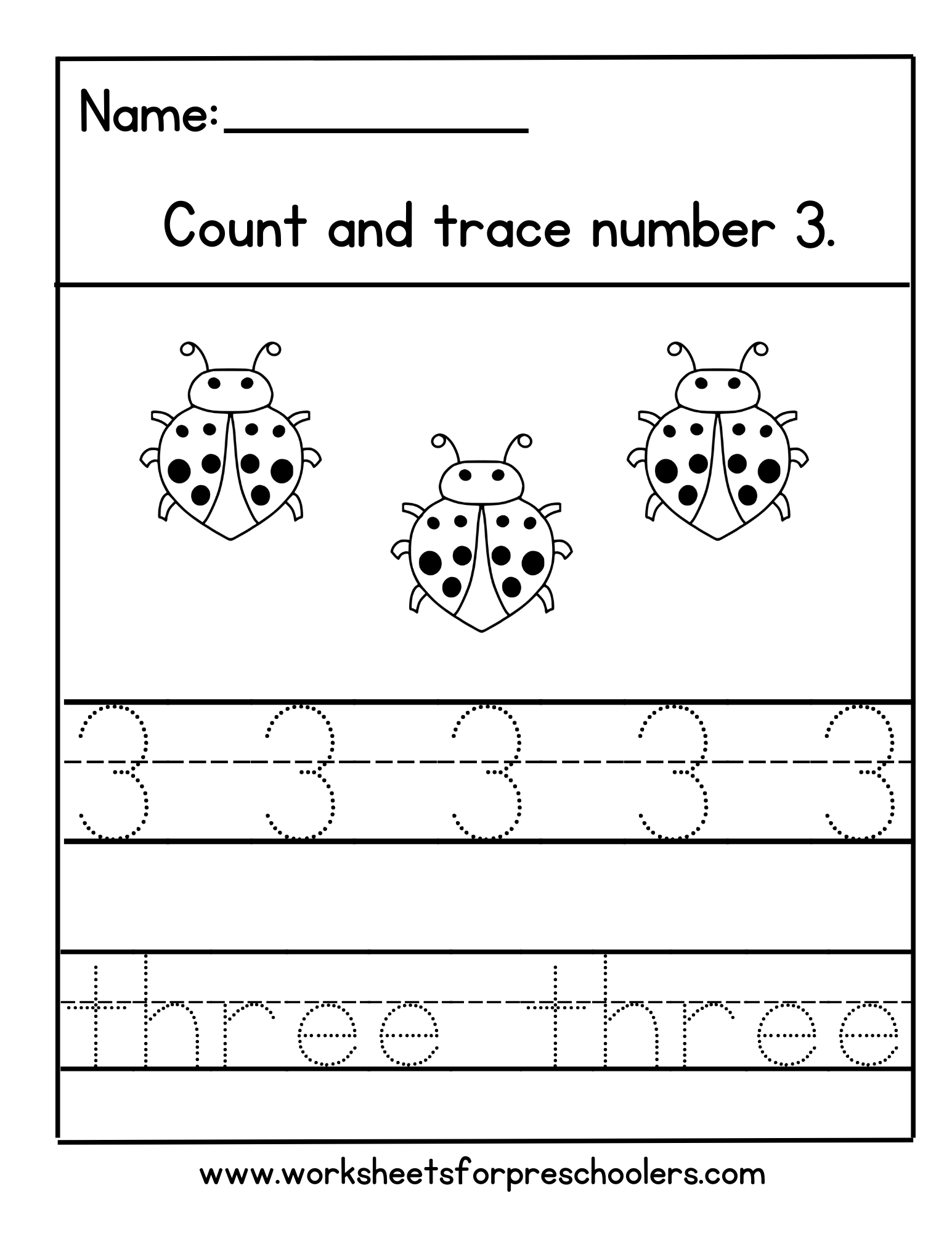
Bug worksheets help preschool children practice early literacy, math, and fine motor skills using common bugs and familiar images. Children work on skills such as counting, tracing, letter recognition, and word recognition.
These printable worksheets include activities such as counting bugs, tracing lines and words, identifying beginning sounds, and completing simple tasks using butterflies, bees, ants, and ladybugs. Each worksheet focuses on one task for clear practice.
These worksheets are used during centers, small group instruction, or short practice sessions. Teachers and parents can use them throughout a All About Bugs theme unit to repeat skills using familiar pictures.
Bugs Activities for Preschool
Bugs activities give children additional ways to practice early skills using drawing, simple writing, and hands-on tasks. These activities support vocabulary development, early language use, and creative thinking.
Bug Fun Facts
Short facts can be shared during circle time or small group discussion.
- Butterflies start as caterpillars
- Bees help flowers grow
- Ants live and work together
- Ladybugs have spots
Vocabulary Words
Bug Words
butterfly, bee, ant, ladybug, caterpillar, spider
Nature Words
leaf, flower, grass, garden
Action Words
crawl, fly, hop, land, climb
Using theme words during reading activities helps children connect vocabulary with familiar images such as butterflies, bees, and ants.
Drawing & Story Prompts
Story starters encourage children to describe what they see and practice speaking in complete sentences.
Drawing
- A butterfly on a flower
- Bugs in the garden
- A ladybug on a leaf
- A bee near flowers
Story
- A tiny bug was crawling and…
- A butterfly landed on…
- I found a bug in the garden and…
Bugs Crafts
Craft activities allow children to practice cutting, gluing, folding, and assembling simple shapes while creating bugs-themed projects. These activities strengthen fine motor control and hand–eye coordination while children work with familiar bug images.
1. Paper Plate Ladybug
Supplies:
- Paper plate
- Red paint (or red paper)
- Black paint or marker
- Googly eyes
- Glue
- Scissors
Steps:
- Paint the paper plate red and let it dry (or cover it with red paper).
- Cut the plate in half—this makes one ladybug.
- Add black spots using paint or a marker.
- Draw or paint a black head at the flat edge.
- Glue on googly eyes.
- Optional: fold slightly in the middle to make wings look raised.
2. Egg Carton Caterpillar
Supplies:
- Empty egg carton
- Paint (any colors)
- Pipe cleaners
- Googly eyes
- Glue
- Scissors
Steps:
- Cut a strip of 4–6 egg carton cups in a row.
- Paint each section in bright colors and let it dry.
- Poke two small holes in the front section and insert pipe cleaners for antennae.
- Glue googly eyes on the front.
- Let everything dry—your caterpillar is ready to crawl!
Teachers may use these crafts during art centers or as part of a themed lesson. Parents can also use the activities at home with simple materials such as construction paper, glue, crayons, and scissors.
Crafts work well alongside worksheets because they allow children to practice the same theme using hands-on activities.
Mini Bug Lesson Plan (3 Days)
This simple lesson plan organizes bug activities across three days using literacy, math, language, and hands-on tasks.
Day 1 – Bugs
- Read a short book about bugs
- Identify bugs such as butterflies, bees, and ants
- Practice letter recognition (B for bug)
- Color a bug
Day 2 – Counting Bugs
- Count bugs on worksheets
- Match numbers to sets of bugs
- Sort bugs by type or size
- Trace numbers
Day 3 – Bug Observation
- Create an bug craft
- Draw a garden scene
- Describe bugs using simple words
- Complete a themed worksheet
Teachers and parents can repeat favorite activities or add additional worksheets depending on the time available.
Related Worksheets
- Alphabet Worksheets
- Phonics Worksheets
- CVC Word Worksheets
- Counting Worksheets
- Fine Motor Worksheets
- Coloring Pages
More Themed-Based Worksheets
More worksheet activities are available in other popular preschool learning themes.
Bug and Insect Worksheets
Garden Worksheets
Easter Worksheets
Farm Animal Worksheets
Sign up to get your FREE 5-page Preschool Core Skills PDF + monthly themed worksheets
Ready-to-use literacy, math, and fine motor activities for preschool and Pre-K.
✔ Easy to use in centers or at home
✔ No prep needed
✔ Builds early literacy, math, and fine motor skills
✔ Perfect for preschool and Pre-K learners