Free Preschool Literacy Worksheets to Print
Preschool literacy worksheets support early reading and writing practice through letter recognition, beginning sounds, and simple word activities. Children practice uppercase and lowercase letters, phonemic awareness, and letter formation using clear, focused activities.
These printable worksheets include letter tracing pages, beginning sound matching, alphabet recognition, and simple sight word activities. Each worksheet focuses on one skill, such as identifying a letter, matching pictures to beginning sounds, or tracing uppercase and lowercase letters.
These worksheets are used during literacy centers, small group instruction, or short home practice sessions. Teachers and parents can pair them with alphabet books, flashcards, or letter manipulatives to reinforce letter and sound recognition.
Get Your Free Preschool
Printable Pack
Join the email list and receive 5 free preschool worksheets (PDF).
You’ll also receive themed and skills-based printable worksheets each month.
Alphabet Worksheets
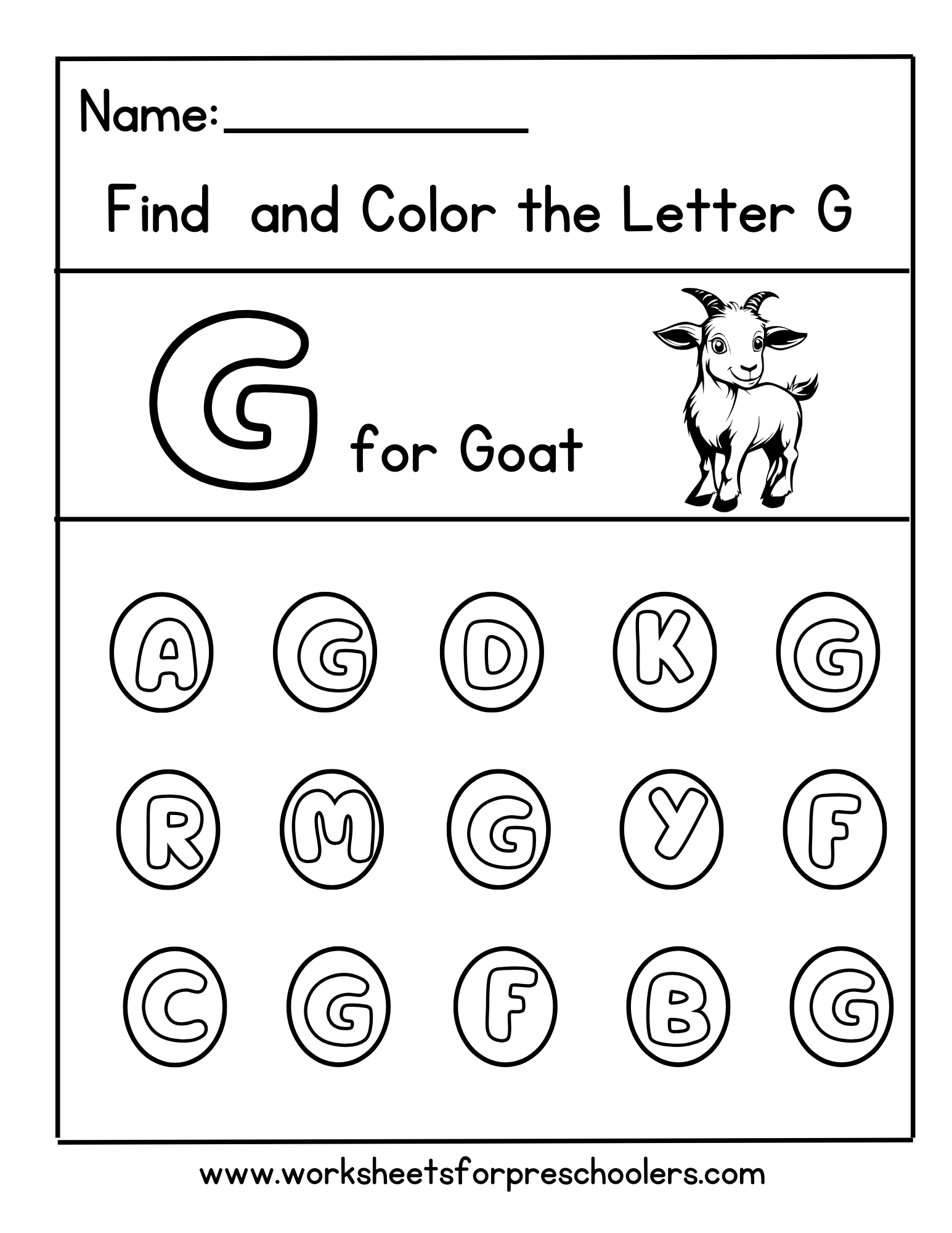
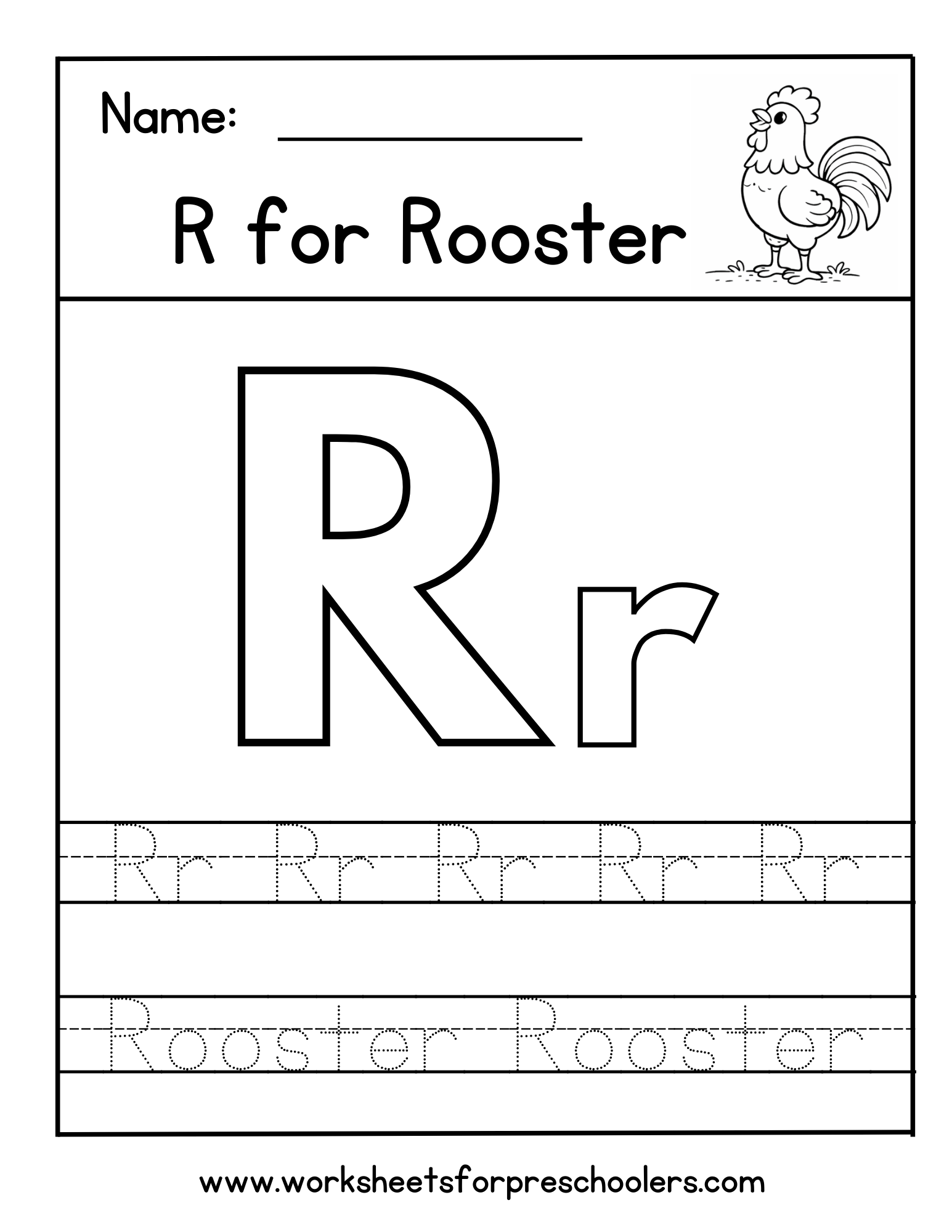
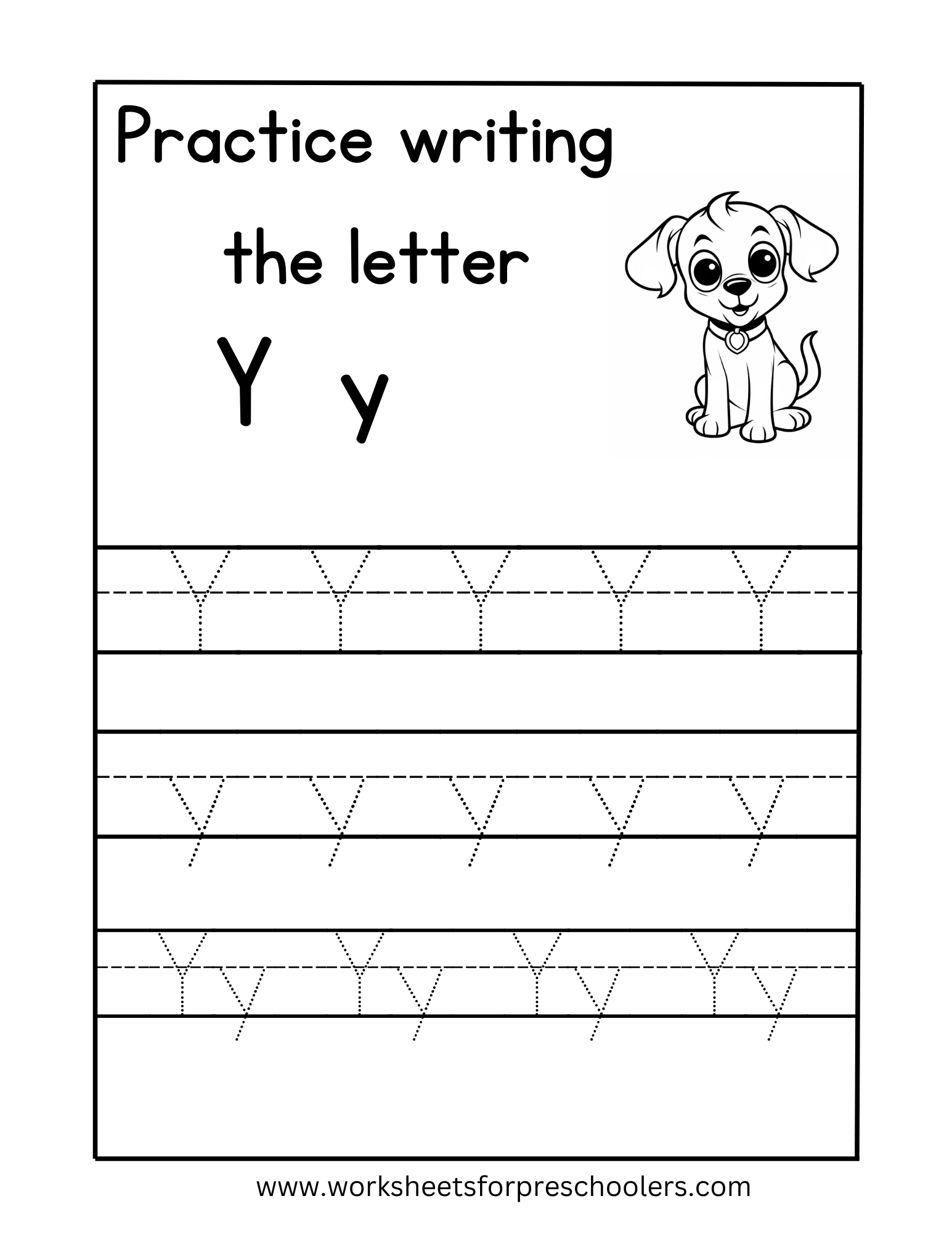
Practice recognizing uppercase and lowercase letters and forming them correctly. Activities include identifying letters, matching letters, and tracing letter shapes.
Phonics Worksheets
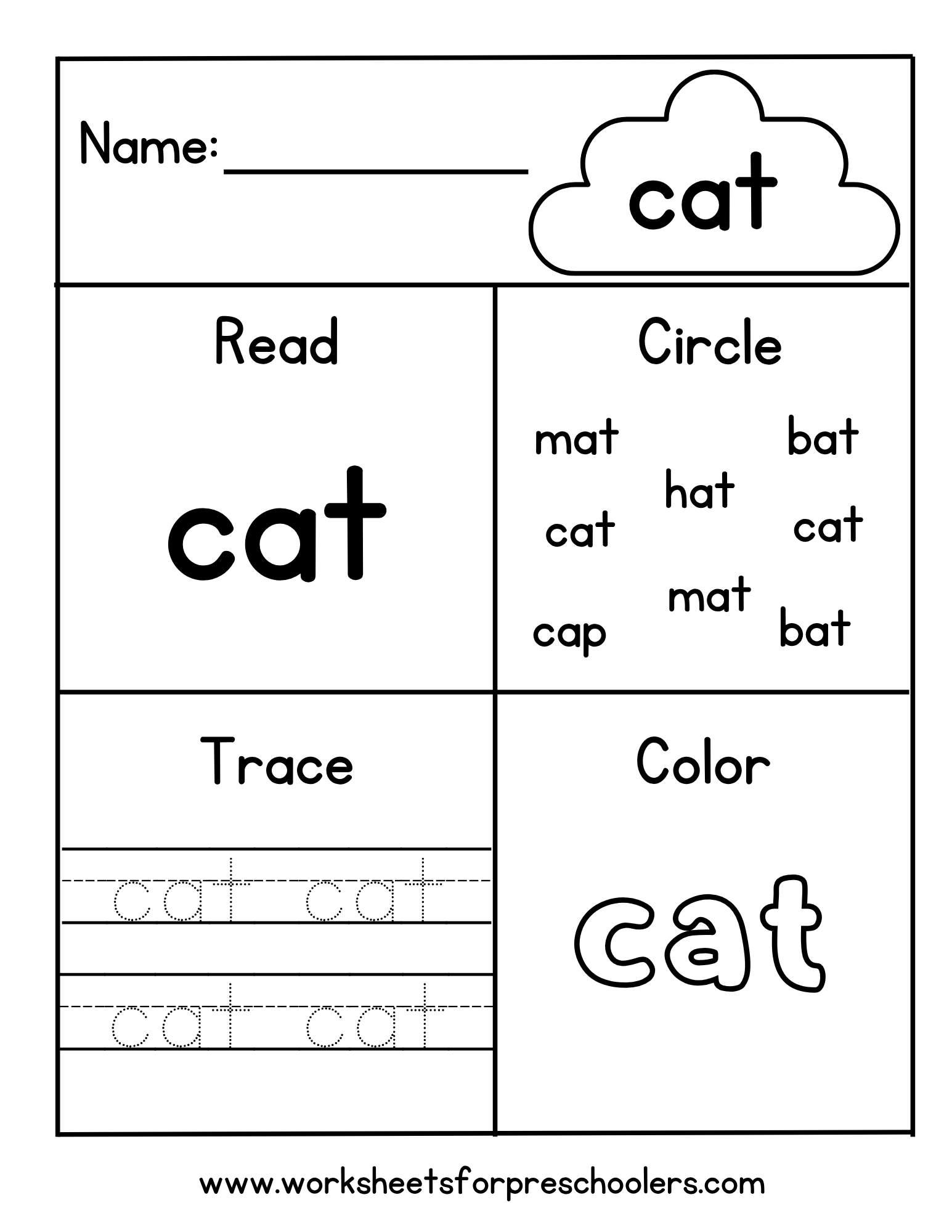
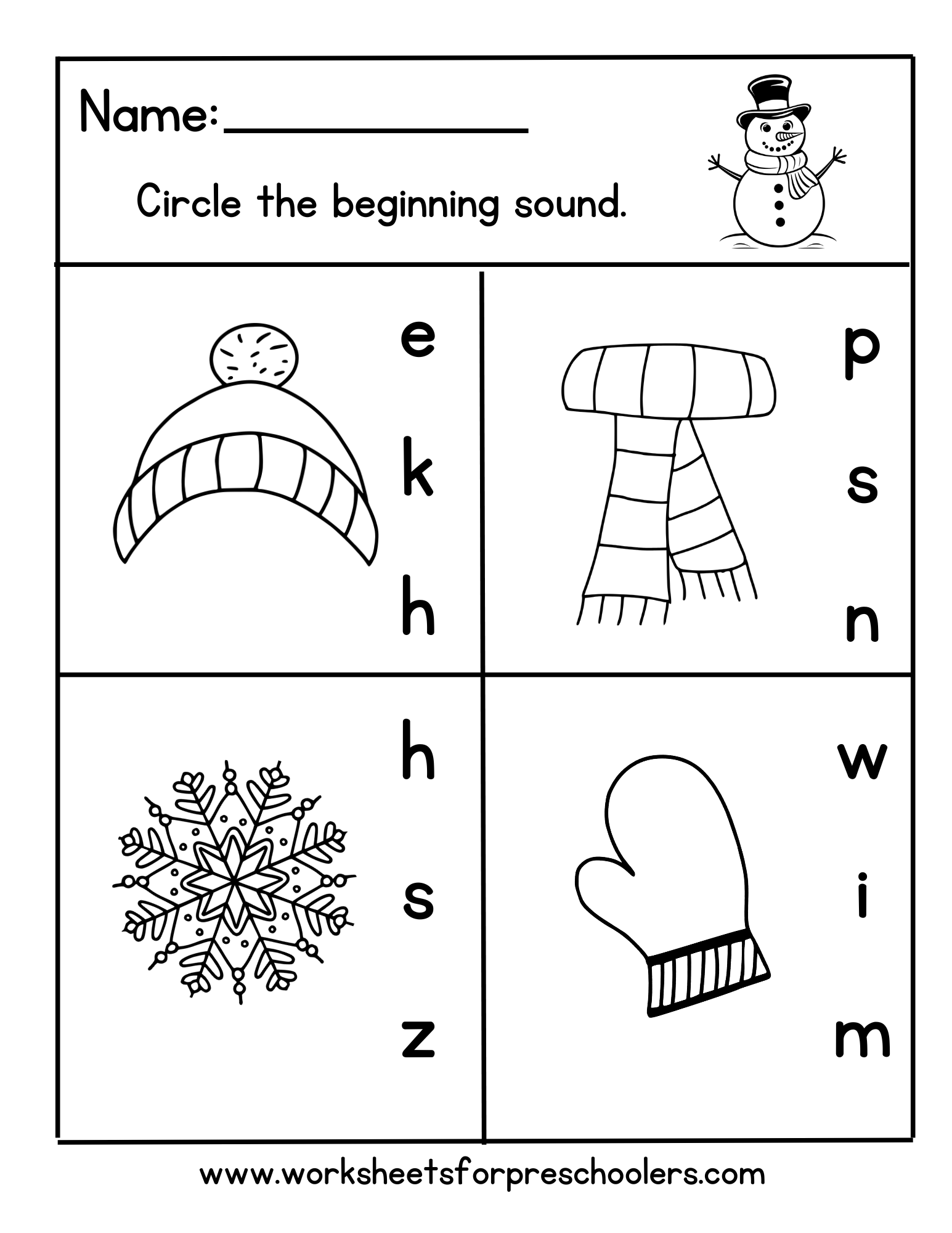
Practice connecting letters to sounds and reading simple words. Activities include identifying beginning sounds and reading CVC words
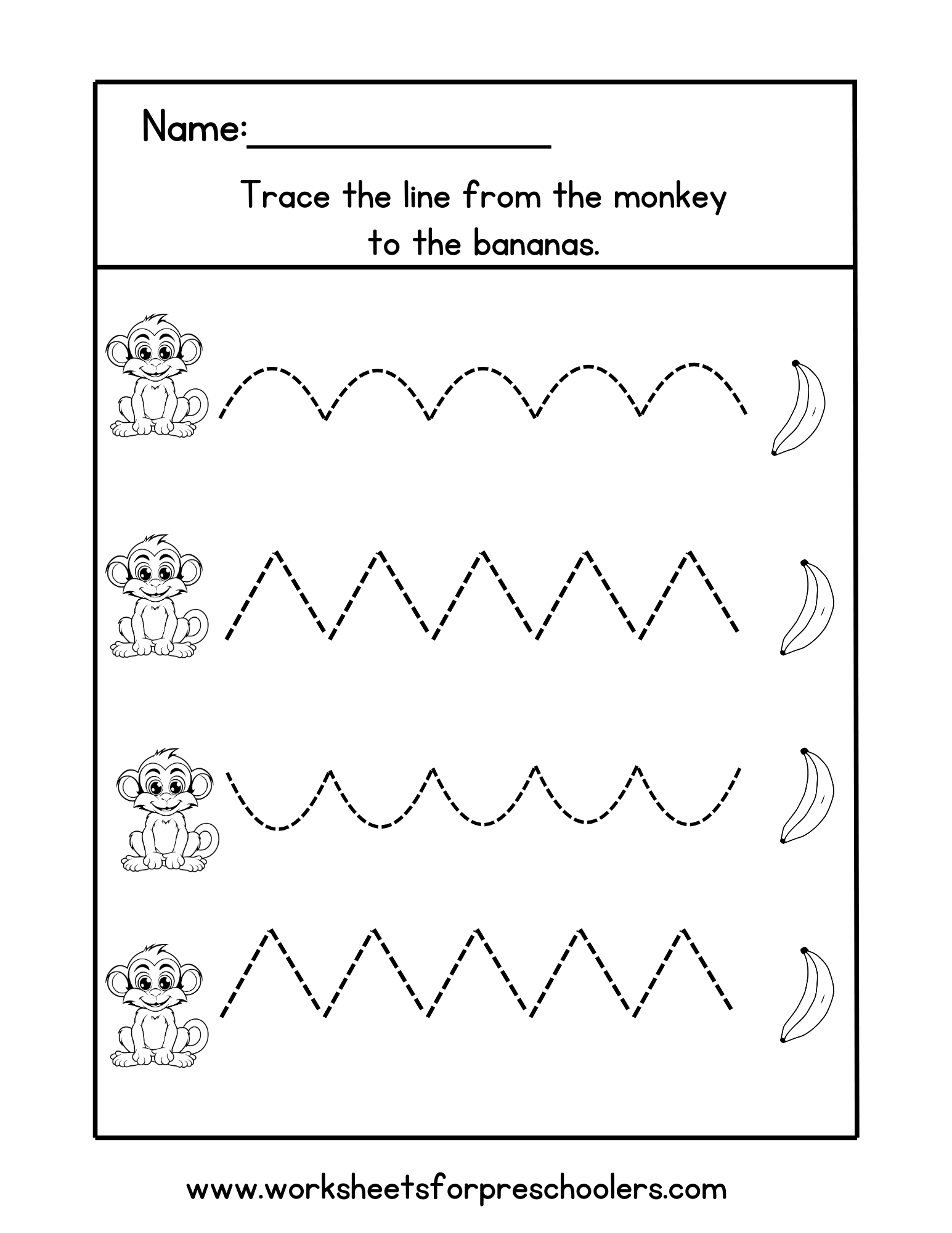
Tracing Worksheets
Practice forming letters and lines using simple tracing activities. These worksheets help strengthen hand muscles and improve pencil control.
Sight Word Practice
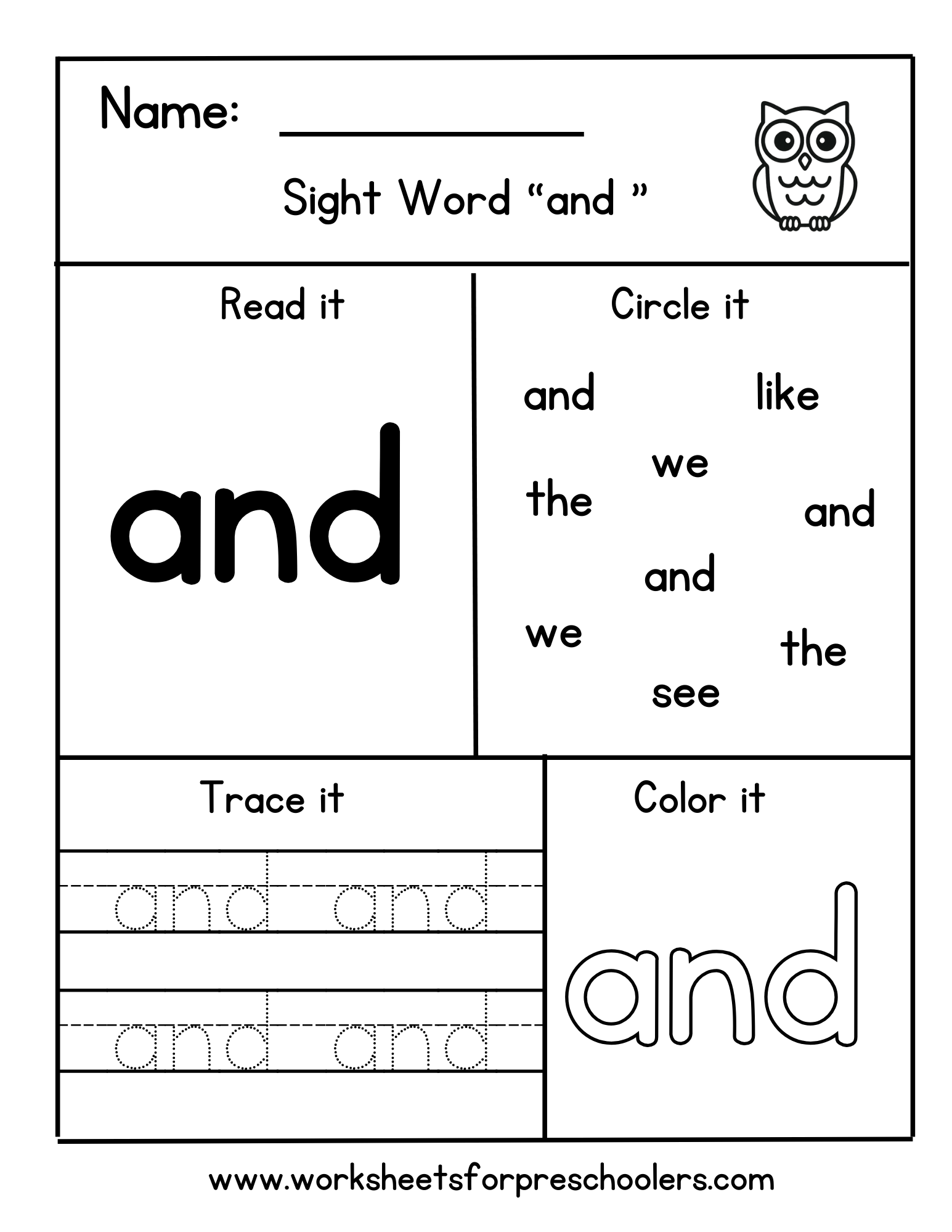
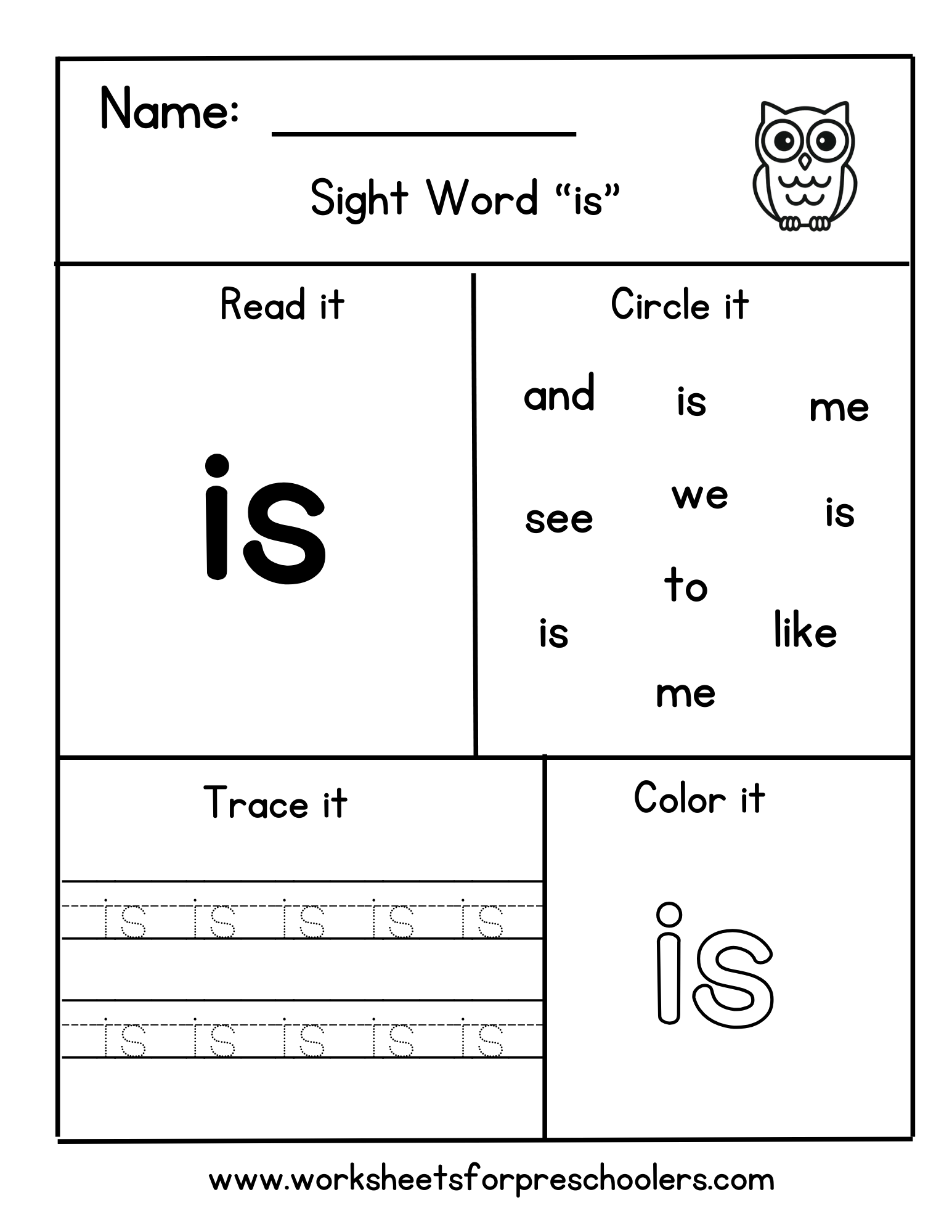
Learn common high-frequency words that children recognize without sounding them out. Activities focus on reading and identifying familiar words.
Skills Practiced
These worksheets focus on key early literacy skills.
- recognize uppercase and lowercase letters
- identify beginning sounds
- trace letters and simple lines
- read and recognize simple words
- match letters and sounds to pictures
Coloring Pages
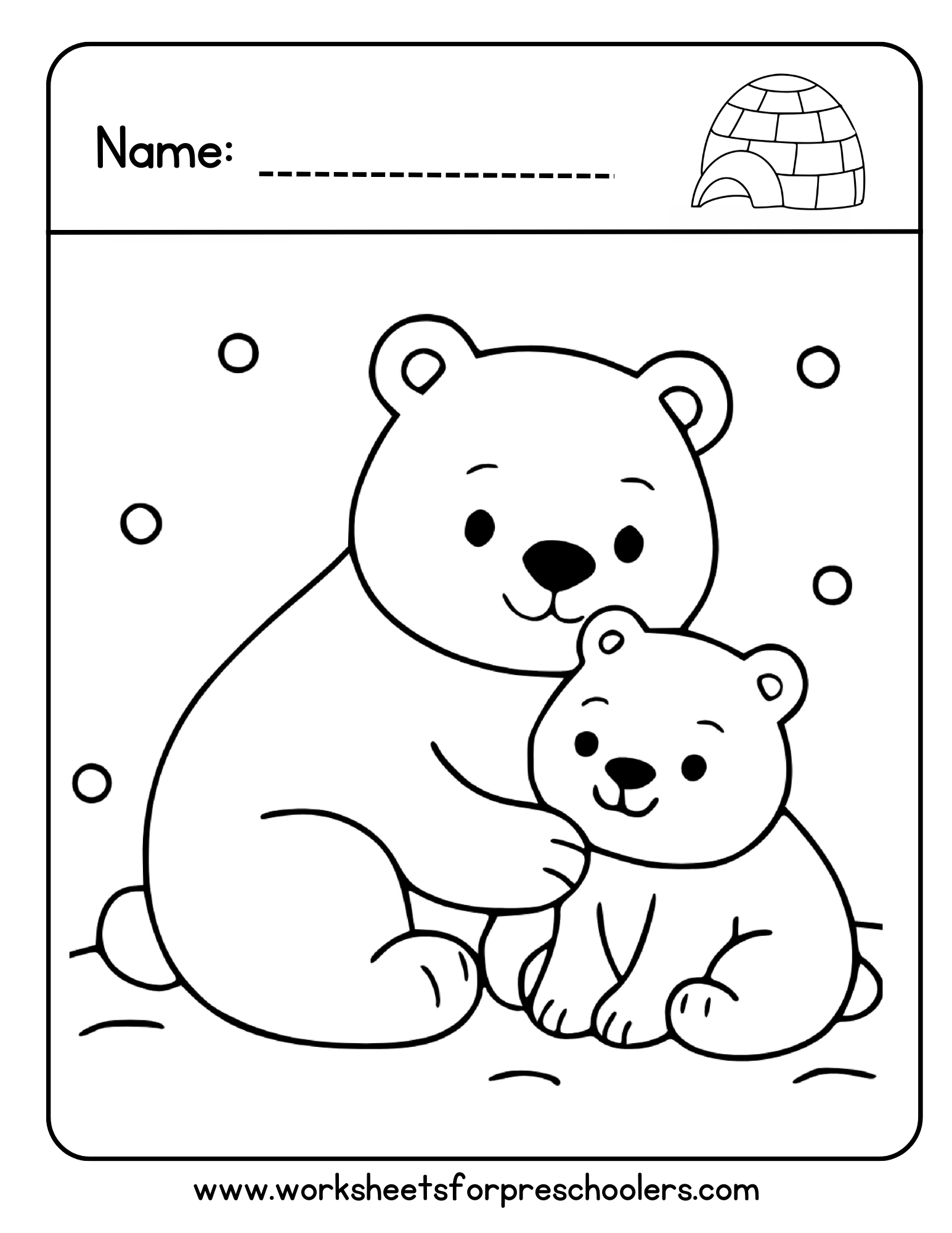
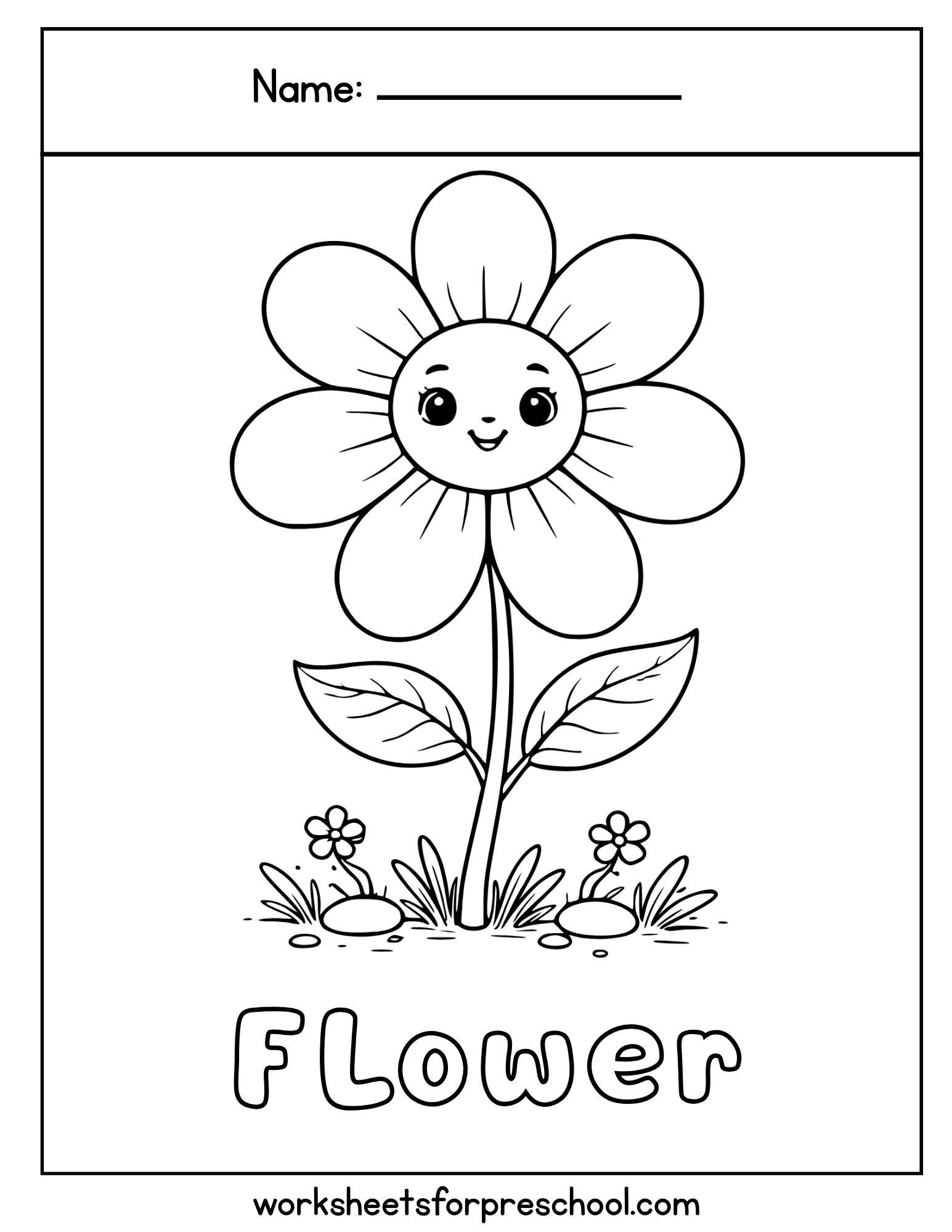
Color pictures based on simple themes such as animals, seasons, and holidays. These pages support pencil control and visual recognition.
Preschool Literacy Worksheets by Age
Literacy practice should match a child’s current letter knowledge and listening skills. Some preschool children are beginning to recognize a few letters, while others are ready to identify beginning sounds and trace uppercase and lowercase letters. Selecting worksheets based on skill level allows children to practice literacy concepts at an appropriate pace.
Literacy Worksheets for 3-Year-Olds
Literacy worksheets for 3-year-olds focus on letter exposure, simple letter identification, and basic tracing lines that prepare for letter formation. Activities at this level may include identifying a target letter from a small group, matching identical letters, and recognizing letters in familiar names or labels. Short, guided practice sessions work best while children are still developing pencil control. See More→
Literacy Worksheets for 4-Year-Olds
Four-year-olds often practice recognizing most uppercase letters, identifying some lowercase letters, and matching beginning sounds to letters. Worksheets at this level may include tracing letters on guided lines, circling pictures that match a beginning sound, and completing simple alphabet activities. Many children at this stage are ready for short independent practice sessions. See More→
Pre-K Literacy Worksheets
Pre-K literacy worksheets focus on strengthening beginning sound identification, consistent letter recognition, tracing both uppercase and lowercase letters, and recognizing a small set of sight words. Activities may combine sound matching and writing tasks so children connect spoken sounds to printed letters. Regular short practice sessions help prepare children for kindergarten reading instruction.
Frequently Asked Questions About Preschool Literacy Worksheets
What literacy skills should preschool children practice?
Preschool literacy practice focuses on letter recognition, beginning sounds, rhyming, letter formation, and simple word recognition. Children also practice tracing uppercase and lowercase letters as they prepare for kindergarten.
Should preschool children learn uppercase or lowercase letters first?
Many teachers introduce uppercase letters first because they are easier to recognize and write. Children should also practice lowercase letters early so they can recognize both forms in books and classroom materials.
How do you teach beginning sounds to preschool children?
Children practice beginning sounds by listening for the first sound in a word and matching it to the correct letter. Picture matching, sorting activities, and letter worksheets reinforce letter and sound recognition.
How long should preschool literacy practice last?
Short practice sessions of 10–15 minutes are often most effective. Focusing on one skill at a time allows children to repeat concepts without becoming overwhelmed.
Are literacy worksheets enough for early reading practice?
Literacy worksheets work best when combined with reading aloud, alphabet songs, and everyday print. Children strengthen letter and sound recognition by seeing letters used in books, labels, signs, and other familiar materials.
Related Worksheets
- Alphabet Worksheets
- Phonics Worksheets
- CVC Word Worksheets
- Counting Worksheets
- Fine Motor Worksheets
- Coloring Pages
Themed-Based Worksheets
Continue worksheet practice with activities from other preschool themes. These printable worksheets include counting, tracing, matching, and coloring tasks using familiar pictures and theme-based images.
Fall Worksheets
Apple Season Worksheets
Dinosaur Worksheets
Forest Animal Worksheets
Sign up to get your FREE 5-page Preschool Core Skills PDF + monthly themed worksheets
Ready-to-use literacy, math, and fine motor activities for preschool and Pre-K.
✔ Easy to use in centers or at home
✔ No prep needed
✔ Builds early literacy, math, and fine motor skills
✔ Perfect for preschool and Pre-K learners