How to Use Pre-K Worksheets to Practice Early Learning Skills
Pre-K worksheets are a simple way to help children practice the skills they are learning before kindergarten. When used alongside books, games, crafts, and hands-on activities, worksheets give children another opportunity to work with important early learning concepts.
Get Your Free Preschool
Printable Pack
Join the email list and receive 5 free preschool worksheets (PDF).
You’ll also receive themed and skills-based printable worksheets each month.
Practice One Skill at a Time
Choose worksheets that focus on a single skill, such as letter recognition, counting, shapes, or tracing. Simple activities help children stay focused and make it easier to build new skills over time.
Combine Worksheets with Hands-On Activities
Before completing a worksheet, let children practice the same skill using everyday materials. Count small objects before a counting worksheet, build letters with play dough before letter tracing, or sort shapes before a matching activity.
Include Fine Motor Practice
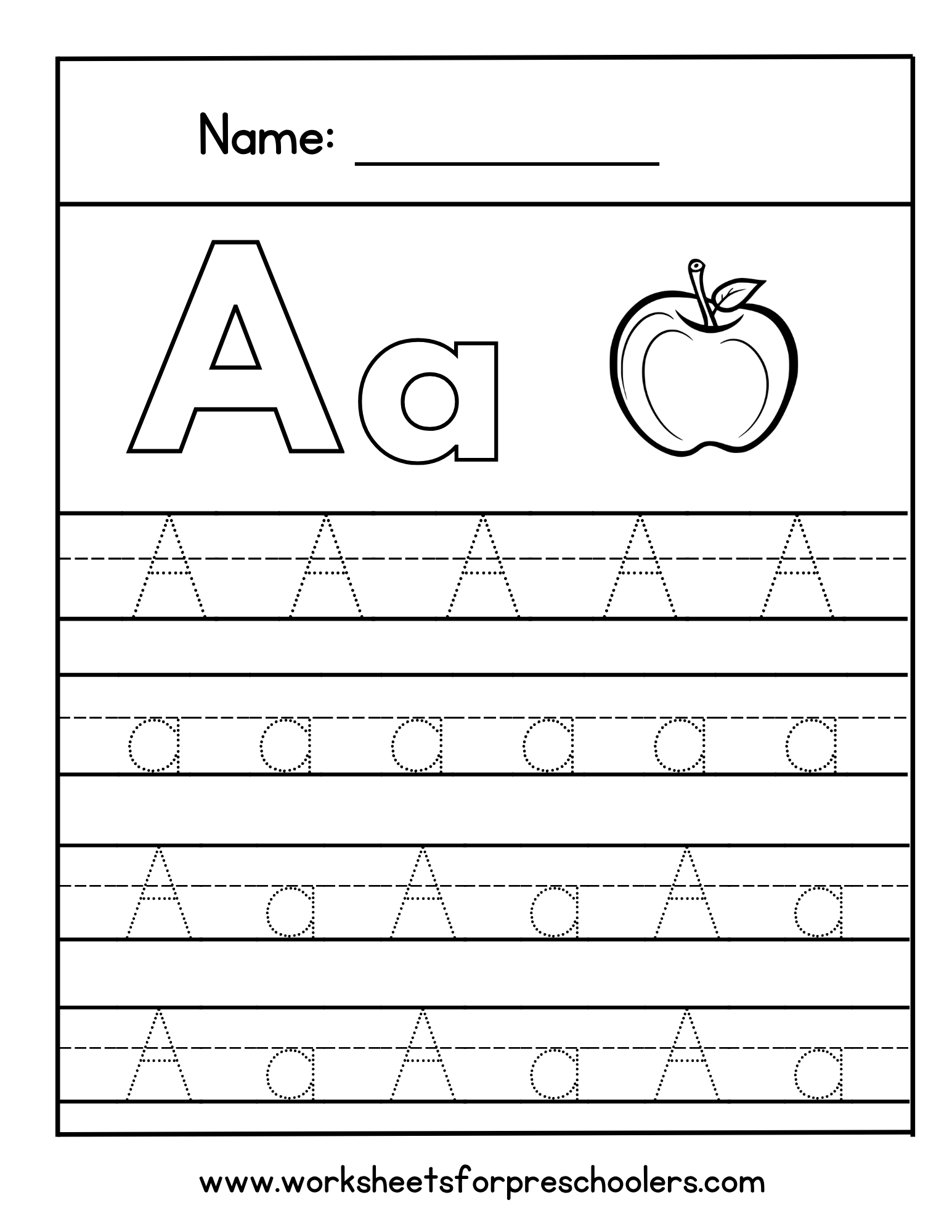
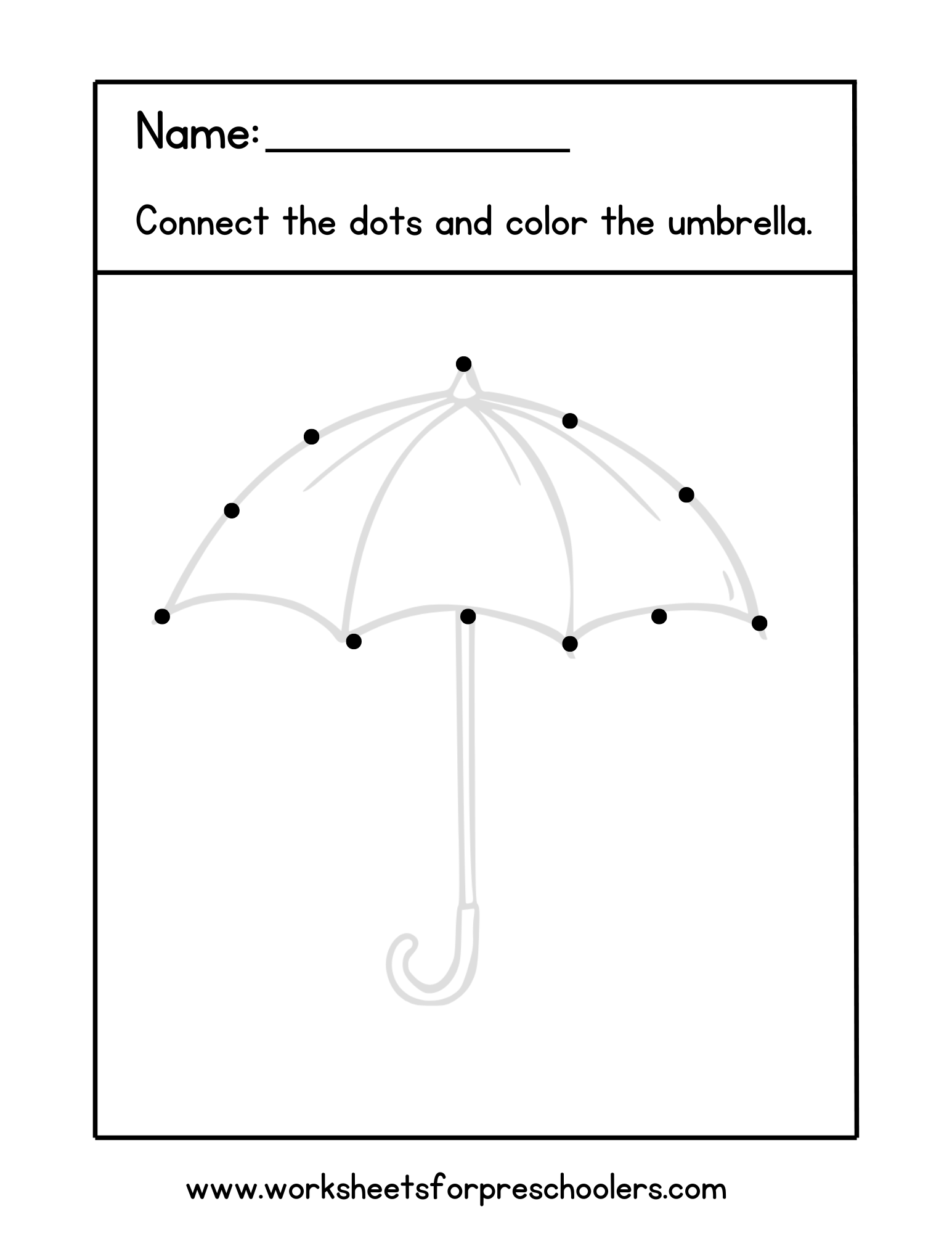
Many Pre-K worksheets include tracing, coloring, cutting, and matching activities. These activities help strengthen hand muscles while improving pencil control and hand-eye coordination.
Read Together
Books work well with Pre-K worksheets. Read a story that matches the day's theme, then complete a worksheet that reinforces the same vocabulary or skill.
Keep Activities Short
Short practice sessions work well for Pre-K children. Completing one or two worksheets each day gives children time to practice while leaving plenty of time for play, movement, and hands-on learning.
Choose Age-Appropriate Worksheets
Select worksheets designed for Pre-K children that use clear pictures, simple directions, and activities that match their stage of development. Keeping activities at the right level helps children practice successfully.
Final Thoughts
Pre-K worksheets are one part of a balanced preschool program. When combined with books, crafts, games, and hands-on activities, they give children multiple opportunities to practice letter recognition, counting, tracing, fine motor skills, and other important early learning skills before kindergarten.
Kindergarten Readiness Worksheets
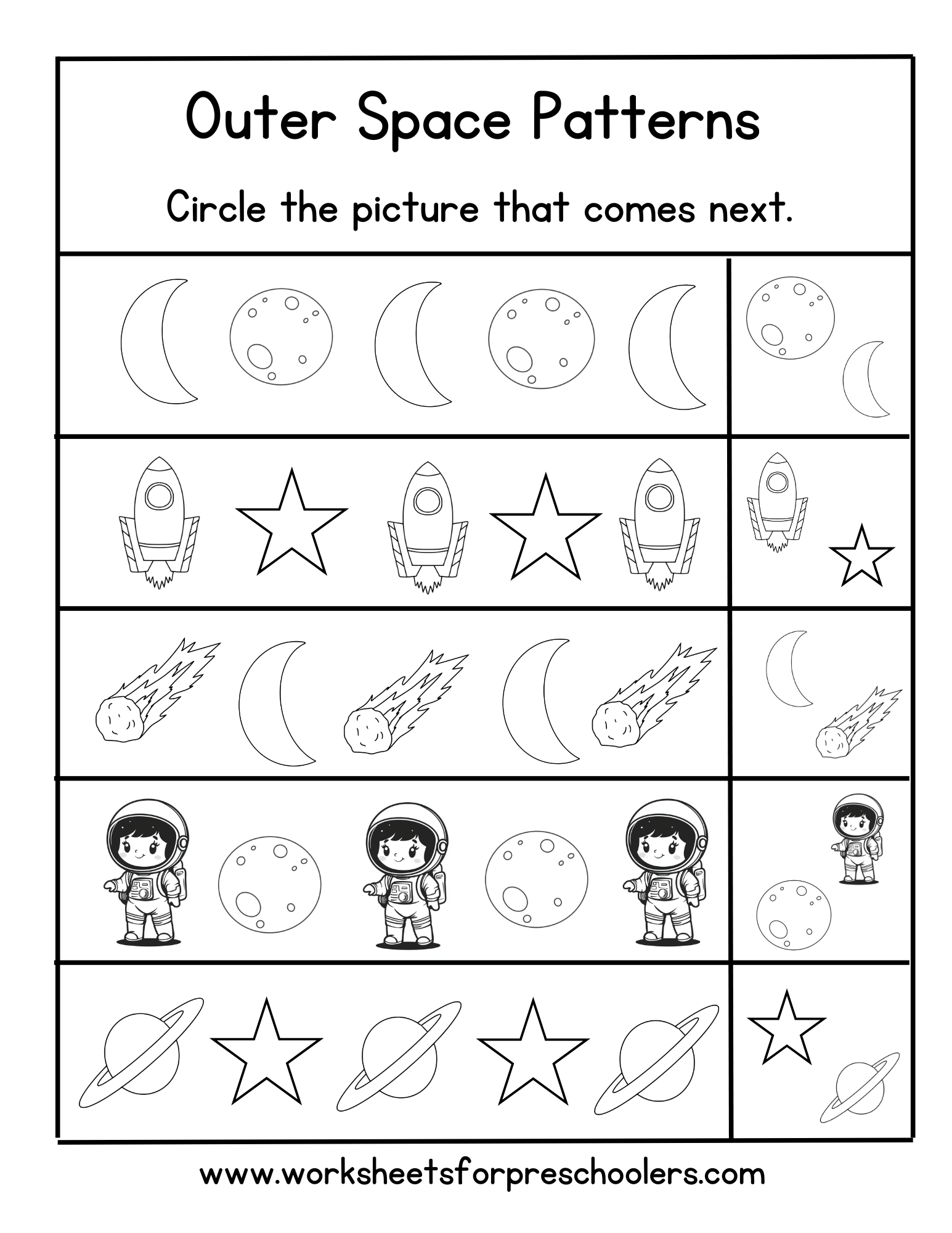
Kindergarten readiness worksheets focus on the early skills children use before starting kindergarten. Activities include letter recognition, beginning sounds, counting, number recognition, shape identification, pattern recognition, tracing, and simple matching tasks. Children also practice pencil control, fine motor skills, and following directions through short, focused activities.
What Children Typically Practice in Pre-K
Pre-K programs focus on literacy, math, and fine motor skills that prepare children for kindergarten. Children practice letter recognition, beginning sounds, letter formation, counting, number recognition, shapes, patterns, and simple comparisons through short, focused activities. Fine motor practice includes tracing, writing, cutting, mazes, and dot-to-dot worksheets.
Pre-K Worksheets by Skill Level
Pre-K children develop skills at different rates. Some children practice tracing, counting, and letter recognition, while others are ready for beginning sounds, number writing, simple patterns, and early reading activities. Choosing worksheets that match each child's current skill level gives children step-by-step practice as they continue learning.
Types of Printable Pre-K Worksheets Available
Pre-K worksheets include tracing, matching, cut-and-paste, pattern, dot-to-dot, and early reading activities. Different worksheet formats give children repeated practice with literacy, math, and fine motor skills while keeping activities varied and focused.
Frequently Asked Questions About Pre-K Worksheets
What skills should children practice in Pre-K?
Pre-K children often practice recognizing uppercase and lowercase letters, identifying beginning sounds, counting to 20, writing numbers, completing simple patterns, and strengthening fine motor control through tracing and cutting activities.
Are Pre-K worksheets appropriate for kindergarten preparation?
Worksheets can reinforce kindergarten readiness skills when used alongside reading, counting objects, and hands-on fine motor practice. Selecting activities that match a child’s current level supports steady progress before entering kindergarten.
How long should Pre-K worksheet sessions last?
Short sessions of 10–15 minutes per subject are often effective. Many teachers rotate between literacy, math, and fine motor practice rather than completing multiple worksheets from one subject at a time.
Should Pre-K children write independently?
Some Pre-K children begin writing letters and numbers independently, while others continue tracing with guidance. Repeated short practice sessions help improve control and consistency over time.
How do I choose the right Pre-K worksheet level?
Choose worksheets based on skill readiness rather than age alone. If a child can recognize letters and count objects confidently, select activities that introduce the next step. If not, continue practicing foundational skills.
Related Worksheets
- Alphabet Worksheets
- Phonics Worksheets
- CVC Word Worksheets
- Counting Worksheets
- Fine Motor Worksheets
- Coloring Pages
Themed-Based Worksheets
Continue worksheet practice with activities from other preschool themes. These printable worksheets include counting, tracing, matching, and coloring tasks using familiar pictures and theme-based images.
Bug and Insect Worksheets
Spring Worksheets
Dinosaur Worksheets
Farm Animal Worksheets
Sign up to get your FREE 5-page Preschool Core Skills PDF + monthly themed worksheets
Ready-to-use literacy, math, and fine motor activities for preschool and Pre-K.
✔ Easy to use in centers or at home
✔ No prep needed
✔ Builds early literacy, math, and fine motor skills
✔ Perfect for preschool and Pre-K learners